
What are the taxes and acquisition costs when buying property in Sri Lanka?

Here is a concise FAQ regarding taxes for non-resident property owners in Sri Lanka, based on the provided document.

Please note that Kristall Spaces Lanka (Pvt) Ltd does not provide tax or legal advice. All prospective buyers of Sri Lankan property must consult an accountant or lawyer currently practicing in Sri Lanka. Furthermore, tax and property law is subject to ongoing legislative change, and online information can rapidly become outdated.

Getting Started: Buying Property

What do I need as a foreigner to buy and manage a property? Foreigners can purchase condominium apartments and obtain a freehold title. You must open an Inward Investment Account (IIA) in Sri Lanka. This account is used to bring in funds for the purchase and to take out any rental profits or proceeds from a future sale.

What taxes are due when I buy an apartment? When purchasing a property, you will face several costs:

  • Stamp Duty: A one-time tax calculated as 3% on the first LKR 100,000 of the property’s value and 4% on the remaining value.
  • Value Added Tax (VAT): While not applicable on resale by an individual, all new apartment sales by a developer are subject to VAT at 18%.
  • Social Security Contribution Levy (SSCL): A 2.5% tax on the developer’s “liable turnover”. Developers typically pass this cost to the buyer, and it is often paid with each stage payment. This depends on your Sales and Purchase Agreement (SPA).
  • Legal Fees: These are not a tax but a cost. Market convention is typically 1% to 3% of the property’s declared value, but this is negotiable.

Taxes on Rental Income

Do I need to register for tax if I rent out my property? Yes. As a non-resident earning rental income in Sri Lanka, you must register with the Inland Revenue Department (IRD), obtain a Taxpayer Identification Number (TIN), and file an annual Income Tax Return.

What taxes apply to my rental income? There is a multi-stage tax process for your rental income:

  • Withholding Tax (WHT): The hotel operator who manages your apartment will deduct 14% WHT from the net rental income they pay to you. This is an advance payment toward your final income tax, not a final tax.
  • Income Tax: Your net rental income is subject to Sri Lanka’s progressive income tax rates. The 14% WHT already paid will be credited against your final calculated tax.
  • Remittance Tax: If you transfer your net profits (after income tax) out of Sri Lanka, those funds are subject to a final 14% Remittance Tax, which is usually deducted by the bank. This tax does not apply when you remit your initial capital investment.
  • Indirect Taxes (VAT & TDL): The hotel operator handles an 18% VAT and a 0.5%-1% Tourism Development Levy (TDL) on the gross revenue from tourists. You do not have a direct compliance duty for these, but they reduce the total revenue pool before your share is calculated.

How is my annual income tax liability calculated? The calculation follows these steps:

Start with Gross Assessable Rental Income: This is the total net income paid to you by the operator during the financial year (April 1st to March 31st).

Subtract Allowable Deductions: Your main deductions are:

  • Capital Allowances: You can deduct 5% per year of the building’s acquisition cost (on a straight-line basis) for 20 years.
  • Municipal Rates: The annual property taxes you pay are deductible.
  • Other Direct Expenses: Costs like Sri Lankan tax advisory fees may also be deductible.

Calculate Taxable Income: This is your Gross Assessable Income minus your total deductions.

Note: As a non-resident non-citizen, you are not eligible for the LKR 1,800,000 Personal Relief. Your income is taxed from the first Rupee.

Apply Progressive Tax Rates (for Y/A 2025/2026):

First LKR 1,000,000 @ 6%
Next LKR 500,000 @ 18%
Next LKR 500,000 @ 24%
Next LKR 500,000 @ 30%
On the balance @ 36%

Final Reconciliation: Subtract the 14% WHT credit (from step 1) from your calculated tax bill to determine if you owe additional tax or are due a refund.

What are my annual compliance obligations? Your primary duties are to file an annual income tax return by the deadline (typically November 30th) and pay any balance tax due. You must also declare this income in your home country. Sri Lanka has the primary right to tax income from property located there. Your home country will typically provide a Foreign Tax Credit (FTC) to prevent double taxation.

Selling or Gifting the Property

What taxes apply if I sell my property?

  • Capital Gains Tax (CGT): If you sell for a profit, the gain is subject to CGT. For an individual, the rate is 10% on the gain (calculated as Selling Price minus Acquisition Cost). An announced increase to 15% has no set implementation date.
  • VAT on Sale: VAT does not apply when an individual resells a residential property.

What about gifting or inheriting the property? Sri Lanka does not currently have a specific gift or inheritance tax, although such taxes have been proposed. A stamp duty is applicable on the value of a gifted property.

Other Considerations

Are there other ongoing liabilities I should know about? Yes, the main ones are:

  • Annual Municipal Rates: A direct property tax you are responsible for paying.
  • Remittance Tax: The 14% tax on any profits you send out of Sri Lanka.
  • Contractual Liability: Under the Hospitality Service Agreement, if your personal use of the apartment exceeds 90 days in a financial year, 50% of the liability for certain uninsured damages may shift to you.

Is this investment considered a “business”?  No. For tax purposes, this is classified as passive rental income from an investment in immovable property. While you must register for tax and file returns, it is not considered a commercial activity that requires a separate business license.

Please contact us today if you require further information.

Is Now a Good Time to Buy?

There are some excellent signs to think about buying a 1, 2 or 3 bedroom apartment (condominium) in the Galle region of Sri Lanka and to use it for holidays and rent it out when you are not there. 

Let’s consider the strong indicators for both tourism and property investment.

Robust Tourism Growth: Sri Lanka’s tourism sector is experiencing a significant resurgence. 

The first half of 2025 saw total international arrivals reach 1.168 million, a growth of 15.62% over the first half of 2024.

The Sri Lanka Tourism Development Authority (SLTDA) projects 2.45 million arrivals for the full year 2025, a strong recovery from previous years, and there are forecasts predicting that this number could double by 2030. 

This consistent growth, even in traditionally off-peak months, suggests a more balanced year-round tourism pattern. India, Russia, and the UK remain key source markets.

Galle’s Enduring Appeal: Galle, with its historic fort, beautiful beaches, and vibrant culture, remains a top destination for tourists, ensuring a steady demand for quality accommodation.

Condominium Ownership for Foreigners: Crucially, foreigners can legally purchase condominiums (apartments from the ground level upwards) in Sri Lanka, provided the property is registered under the Apartment Ownership Law and the entire value is paid upfront via inward foreign remittance. This makes condominium investment a more straightforward path for foreign buyers compared to villas or land.

Government Support for Investment: The introduction of programs like the “Golden Paradise Visa” (requiring a minimum deposit of $200,000 USD in a local bank or investment in approved sectors including condominium property) provides a long-term residence option for investors, further incentivizing foreign investment in real estate. 

Let’s look at the economics for a typical 2 bedroom apartment in Galle. 

Rental Income Expectations (2-Bedroom Condominium in Galle)

A 2-bedroom condominium is generally a strong performer in the Galle short-term rental market.

High Demand Segment: 1-bedroom and 2-bedroom properties combined constitute over 55% of active short-term rental listings in Galle, indicating a substantial market share and high demand for these sizes.They cater to the most common traveler groups: couples, small families, or friends traveling together.

Guest Capacity Sweet Spot: Listings accommodating 2 to 4 guests are dominant in Galle, which perfectly aligns with the capacity of a 2-bedroom unit.

Potential Monthly Revenue:

For “typical properties” in Galle (across all sizes), the median monthly revenue is around $458 USD.

However, for “strong performing properties” (top 25%), this can jump to $1,156 USD per month.

“Best-in-class properties” (top 10%) can achieve $2,707 USD or more per month.

For a well-located, high-quality, and professionally managed 2-bedroom condominium, you should aim for the “strong performing” to “best-in-class” range.

Nightly Rates: While median nightly rates for typical apartments in Galle are around $48 USD, “strong performing properties” achieve $103 USD or more per night, and “best-in-class properties” can command $215+ USD per night. Your 2-bedroom unit, if well-appointed, could easily fall into the higher end of this spectrum.

Occupancy Rates: Strong performing properties around Galle achieve 44% or higher occupancy and “best-in-class” properties can reach 65%+ occupancy.  During the peak season (December to March), well-managed properties can see even higher occupancy rates and the Sri Lanka Tourism Development Authority prior to 2019 reported an average hotel occupancy rate of 73% on the Southern Coast around Galle.

Projected Annual Gross Rental Yield: While specific current figures for 2-bedroom condos aren’t universally published, well-managed holiday rental properties in prime Galle locations often target and achieve 8-10% annual gross rental yields.

To maximize rental income: Focus on properties with desirable amenities (pool access, modern kitchen, reliable Wi-Fi, air conditioning, views), professional photography, strong online marketing across platforms like Airbnb and Booking.com, and excellent guest communication/service.

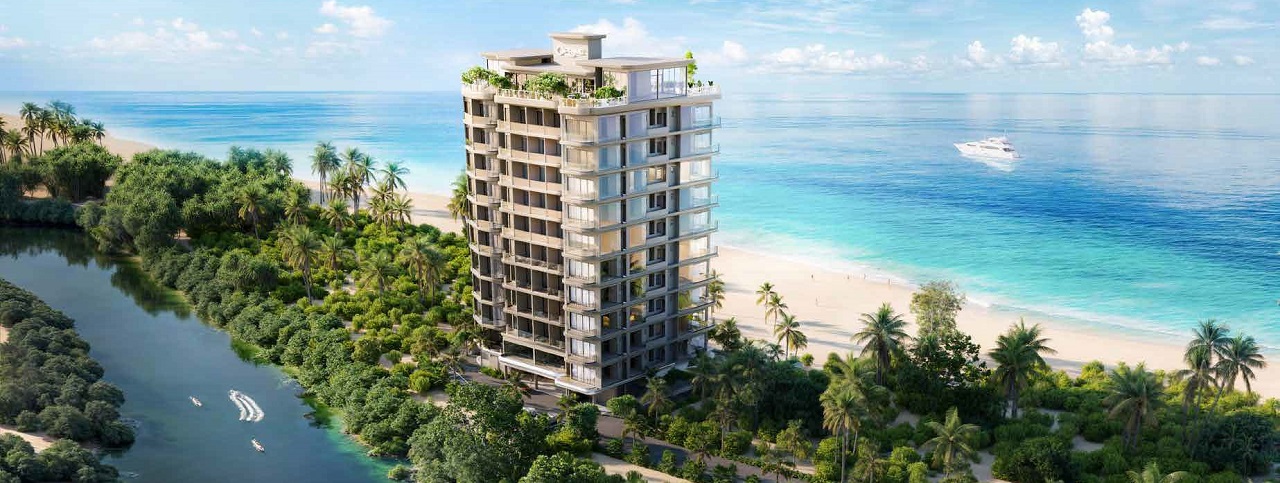
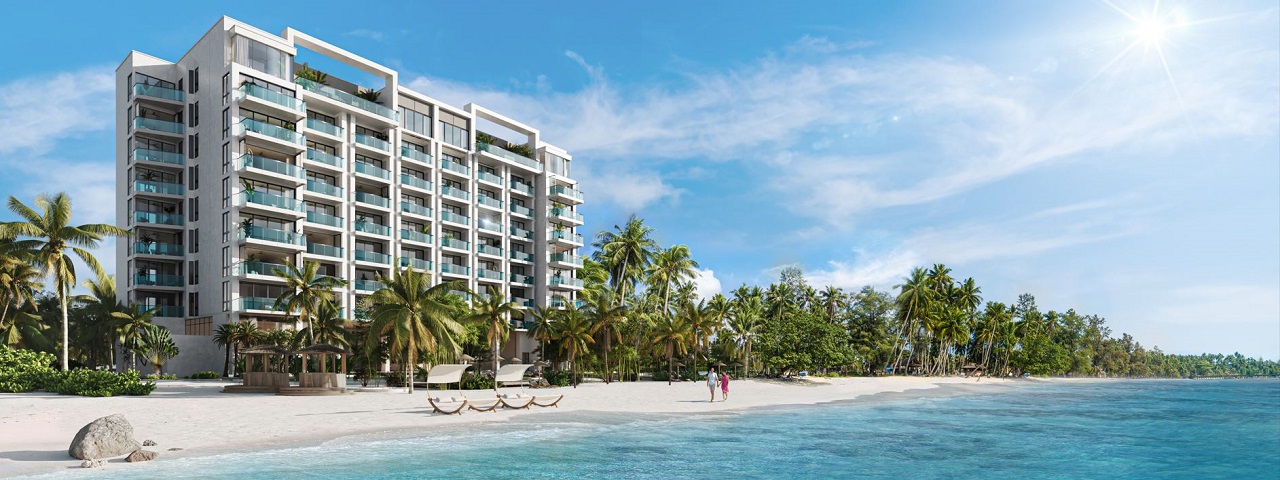
All-Suite Resort Talpe Heights is a new condominium project comprising 49 Luxury Serviced Residences with Hotel Facilities in a spectacular setting overlooking Dalawella Beach, lauded as the finest beach in Sri Lanka.

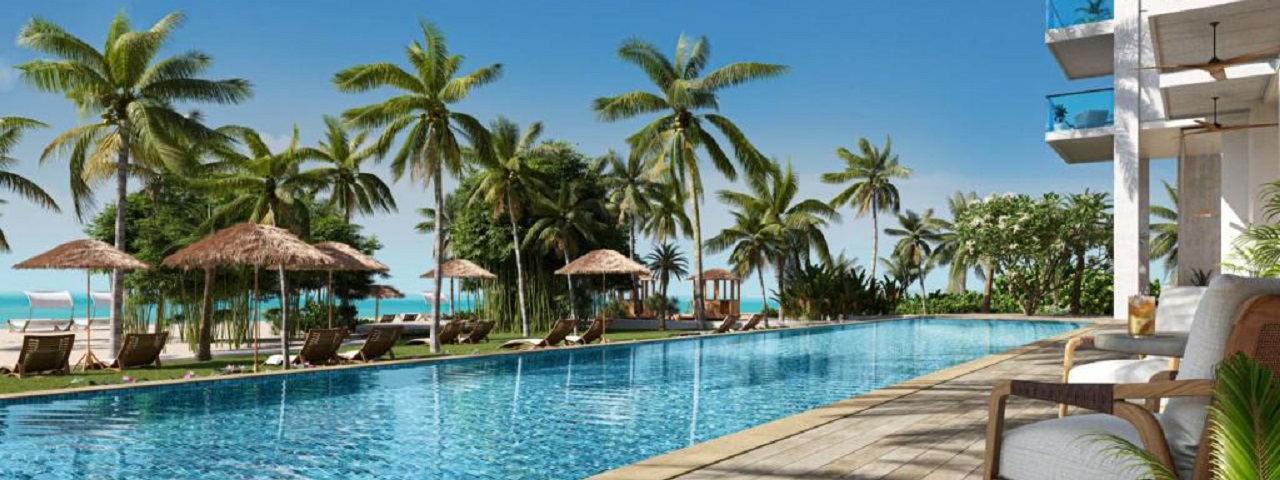
These All-Suite branded Residences are elegantly furnished and share luxury amenities including a restaurant/bar, 24-hour concierge and security, housekeeping, ocean view residents’ lounge, yoga deck and sky gym, a garden swimming pool and a stunning roof terrace with a 25m infinity pool and views of the Indian Ocean.

Buyers are investing in a lifestyle and experience beyond the traditional concept of property ownership. By owning an apartment in All-Suite Resort Talpe Heights, they are investing in a prestigious All-Suite branded residence where you will enjoy private home comforts and a full complement of services including:

  • A rental programme allowing owners to place their apartment into a letting pool
  • Comprehensive security systems including CCTV, secure entry and on-site security personnel
  • Spa treatments
  • Dedicated butler services for personal assistance
  • Child and pet care, grocery stocking, event planning, personal shopping, car valeting, limousine services and secretarial/business support
  • 24-hour concierge
  • Lock-up-and-leave convenience

A professional team of employees with decades of experience in the international hotel industry take care of all management and rental needs so there is no maintenance to worry about, as the All-Suite Resorts team will ensure that everything runs smoothly.

Current projections predict an annual return of 8 to 10% by year 3 when rented through our professional operator, All-Suite Resorts. 

Capital Growth Expectations

Historical Trends: While precise current capital appreciation rates for condominiums in Galle specifically are not readily available in granular detail, broader real estate trends in popular Sri Lankan investment areas, particularly for luxury and desirable properties, have been positive. For instance, luxury villa prices in Galle have seen an average annual appreciation of 12% over the past decade, with beachfront properties doing even better (15-20%).

Investment Property Performance: Reports indicate that investment properties, including apartments in complexes like One Galle Face (though in Colombo, it reflects broader investor sentiment), have seen significant revenue growth (e.g., Shangri-La Asia reported a 32.4% increase in revenue from Sri Lankan investment properties in 2024, including apartments, compared to 2023). This suggests strong demand from tenants/guests and appreciating values for well-managed investment properties.

Long-Term Potential: Given the sustained tourism recovery, increasing foreign interest, and the inherent appeal of Galle, a well-located and maintained 2-bedroom condominium is likely to see steady capital appreciation, potentially around 10% annually on average over the medium to long term. Factors like the property’s quality, location (proximity to attractions, beach), and overall market stability will influence this.

During the construction phase and if buying an apartment off-plan, investors could realise up to 12% capital growth.

Key Considerations for Foreign Buyers

Reputation: choose a reputable developer with a track record and ensure there is a sound operating agreement and model in place when signing the SPA (sales and purchase agreement). *

Ownership Restrictions: As mentioned, foreigners can own condominiums. Ensure the condominium project is legally registered and compliant with the Apartment Ownership Law.

Funds Transfer: All payments for the property must be remitted through foreign inward investment accounts (IIA) via a local bank.

Taxes:

Stamp Duty: When purchasing a property, a one-time stamp duty is payable. The rate is typically calculated as 3% on the first LKR 100,000 of the property’s value and 4% on the remaining value.

Value Added Tax (VAT): The purchase of a residential condominium unit by an individual is generally not subject to VAT. However, VAT at 18% may be applicable on the sale of new luxury apartments by the developer.

Social Security Contribution Levy (SSCL): The SSCL is a tax imposed at a rate of 2.5% on the “liable turnover” of the developer and like the 18% VAT is borne by the buyer and paid to the Sri Lankan tax authority by the developer. Typically, VAT and SSCL is paid along with each stage payment in an off-plan development project and this will be clarified in your payment plan in the Sales and Purchase Agreement.  

Legal costs: The market standard for legal and notarial fees associated with a property conveyance in Sri Lanka typically ranges from 1% to 3% of the property’s declared value.

As a foreigner, the taxation of your rental income is a multi-stage process involving Withholding Tax, Income Tax, and a final Remittance Tax if you send the profits abroad.

Withholding Tax (WHT): A hotel operator is appointed by the apartment owners to maintain and manage the apartments and rent them to tourists in your absence and is legally required to deduct a 14% Withholding Tax (WHT) from the net rental income they pay to you. This is an advance payment towards your final tax liability, not a final tax. The operator must provide you with an annual WHT certificate, which is essential for your tax return.

Income Tax: The net rental income you receive is subject to progressive income tax rates in Sri Lanka. You must declare this income, claim deductions, and the 14% WHT you have already paid will be credited against your final calculated tax.

Apply Progressive Tax Rates (for Y/A 2025/2026):

  • First LKR 1,000,000 @ 6%
  • Next LKR 500,000 @ 18%
  • Next LKR 500,000 @ 24%
  • Next LKR 500,000 @ 30%
  • On the balance @ 36%

Example: below is an example of how the tax would be processed and paid on an apartment priced at LKR 100,000,000 (or 332,782 USD) with a gross annual return of 10% (LKR 10,000,000).

Allowable deductions include 5% capital allowance on building cost (LKR 5,000,000), assumed municipal rates of LKR 200,000, and other direct expenses of LKR 50,000.

The taxable income is LKR 4,750,000. The gross income tax liability is LKR 1,230,000, calculated using progressive rates for the 2025/2026 tax year.

A 14% Withholding Tax (WHT) credit of LKR 1,400,000 is deducted by the hotel operator.

After income tax, LKR 8,770,000 is available for remittance. A 14% Remittance Tax of LKR 1,227,800 is applied to the remitted income.

The total Sri Lankan tax burden is LKR 2,457,800, representing an effective tax rate of 24.58% on gross rental income.  The net amount transferred back to the owner’s home country would be LKR 7,542,200 and the owner’s home country would have a Double Taxation Avoidance Agreement (DTAA) allowing for a Foreign Tax Credit (FTC) in the home country for taxes paid in Sri Lanka.

Remittance Tax: If you transfer your net income (after Sri Lankan income tax) out of the country, the funds are subject to a final 14% Remittance Tax. This is typically deducted by the remitting bank.  Please note that the initial sum sent into the country to acquire the property and any acquisition fees can be remitted back to your home country free of the 14% Remittance Tax.

Indirect Taxes (VAT & TDL): The hotel operator handles taxes on the gross revenue from tourists, specifically an 18% Value Added Tax (VAT) and a 0.5%-1% Tourism Development Levy (TDL). These are operator-level costs and you have no direct compliance duty. However, they reduce the total revenue pool before your share is calculated, thus indirectly affecting your income.

Capital Gains Tax: Generally 15% for individuals on the gain from property sale.

Property Management: Unless you plan to be in Galle for extended periods, you’ll need a reliable local property management company to handle bookings, guest inquiries, cleaning, maintenance, and compliance with local rental regulations. (N.B. All-Suite Resorts Lanka will look after all aspects of your apartment in All-Suite Resort Talpe Heights and the communal areas of the resort. When you buy a serviced residence in an All-Suite Resort you don’t just invest in a property but a comprehensive lifestyle solution that offers convenience, exclusivity and the “lock-up-and-leave” capability suited to a global lifestyle).

In conclusion, now appears to be a favorable time to buy a 2-bedroom condominium in Galle for holiday use and rental income.

The robust tourism growth, combined with the relative ease of condominium ownership for foreigners and the potential for both attractive rental yields and capital appreciation, makes it an appealing investment.

However, thorough due diligence, understanding of local laws and taxes, and a sound property management strategy are essential for success.

If you are buying an apartment in All-Suite Resort Talpe Heights, Kristall Spaces Lanka Pvt. Ltd will support you with a turnkey service through the buying and ownership phases and help you achieve your ideal lifestyle investment: low risk, capital growth of 10 to 12% per annum and an optional rental model so your apartment provides an annual return of 8 to 10% by year 3 when rented through our professional operator, All-Suite Resorts.


* The principal developer of All-Suite Resort Talpe Heights via their associated companies Kristall Spaces and AlpenReal Estate AG brings over two decades of international real estate experience, with a specific and deep specialization in the apartment-hotel and serviced residences asset class. This is not generic development experience; it is precisely tailored to the product being delivered. This expertise is substantiated by a quantifiable and impressive European portfolio. The group has successfully developed and sold over USD $250 million worth of similar projects across premier Austrian ski resorts such as St. Anton am Arlberg, Kitzbühel, and Zell am See. The consistent delivery of high-calibre projects in demanding, sophisticated European tourism markets over a 15-year period provides concrete, verifiable proof of capability.  This international expertise is complemented by a robust, vertically integrated group structure that ensures quality control from conception to long-term operation. Project management and risk capital are provided by AlpenReal Estate AG, marketing and sales are driven by Kristall Spaces Lanka, and post-completion operations will be handled by the seasoned operator, All-Suite Resorts. This integration ensures a seamless vision and execution. Furthermore, critical local expertise is secured through the Kristall Spaces Lanka (KSL) team, which includes Managing Director Mr. Trevor Reckerman, a veteran of Sri Lanka’s hospitality sector with leadership experience at Jetwing Hotels, and specialist legal counsel with deep experience in Sri Lankan condominium and construction law. This blend of international track record and local proficiency provides an unparalleled level of assurance to all stakeholders.


Sri Lanka: new Investor Visa for property buyers

This new initiative for buyers outside Sri Lanka interested in buying condominium units (holiday apartments) started on 1 June 2024.

The Investor Visa program ensures a simplified and efficient procedure for non-Sri Lankans looking to invest in the country’s fast-growing real estate market allowing visa applications to be handled entirely online, making it easier for potential investors.

A notable feature of the new process is that foreigners staying in Sri Lanka will no longer have to exit the country to apply for a visa.

This notable improvement is expected to draw in additional investors to support Sri Lanka’s economic progress and flourishing construction and property development industry.

Applicants must provide:

1. Confirmation from a bank regarding the deposit of foreign currency into an IIA account.

2. A statement from the investor specifying the purpose of the investment, whether to purchase a unit or units from a condominium development project in the country.

For investments exceeding USD 100,000, applicants will receive an immediate 5-year visa, which can be renewed.

Investments over USD 200,000 will be eligible for a 10-year renewable visa, both necessitating a maximum of five days for ministerial approval.

By opening its doors wider to international investors, Sri Lanka is not only improving its economic prospects but also laying the foundation for sustainable growth in its property development sector.

In addition to the direct and obvious benefits mentioned earlier, foreign investments in real estate have been proven to generate multiple streams of both short and long-term inflows.

The nature of investing in Real Estate is characterized by long-term commitments and substantial investments, which in turn contribute to the country’s overall development.

Expat buying rules in Sri Lanka

With the recent changes in the law welcoming expat Sri Lankans to purchase property in the country, LankaPropertyWeb interviewed Attorney at Law Saminda Jayasekara regarding the feasibility of this option and the barriers to overcome in the process.

As a local, there are no restrictions on purchasing property in the country. Whether it is owning a land, apartment or investing in a commercial property, you have the liberty to select among a range of options available in the market.

However, as a foreigner, there are certain restrictions. While the option of purchasing a residential or commercial condominium property is available, with lands they can only be leased out for a period of 99 years.

But what about an expat?

“The main consideration when purchasing property is whether you are a citizen of Sri Lanka or not. If you are a citizen, then you can purchase properties as you wish, otherwise there are some restrictions,” said Attorney at Law S. Jayasekara.

The reason for this is that if the expat in concern has given up citizenship in Sri Lanka completely, then he or she is considered as a foreigner or a non-citizen according to the law. Under this situation, the laws that are applicable to the individual also vary.

The Land (Restrictions On Alienation) Act No. 38 of 2014 prohibits the transfer of the title of any land in Sri Lanka to a foreigner, to a company incorporated in Sri Lanka under the Companies Act (foreign shareholding in such company, either direct or indirect, is 50% or above) or to a foreign company.

However, at the same time, there are exceptions as well.

In terms of the Apartment Ownership Law, a previous report published by LankaPropertyWeb defining investing in Sri Lanka highlighted that in the past foreigners had to face floor restrictions with purchasing condominiums. But as of 2018, this law has been revised opening doors for them to buy any apartment on any floor and invest in the country in top developments. However, the only condition is that the foreigner has to pay for the consideration in full before the title transfer and that consideration must come from abroad via an Inward Investment Account.

The Inward Investment Account (IIA) is a special account designated for eligible investors, resident in or outside Sri Lanka to route funds to invest in the permitted investments. It can be opened in LKR or a foreign currency or held jointly by eligible investors.

On the other hand, if a foreigner becomes the owner of a land through a deed of gift or devolves under a last will or without a last will, under the succession law in Sri Lanka the restrictions mentioned previously will also become null and void.

These exceptions are applicable to dual citizens as well, with the logic that they are still Sri Lankans while holding a nationality in another country.

When making a purchase for a property, payments should go through this account. Upon signing the deed of transfer and handing over the possession of the property, you will be able to claim ownership for the development.

“You can open up an IIA in Sri Lanka while you are in your country, and for that you can contact your realtor or the developer. But if you are living outside of the country, you can appoint an agent with a special power of attorney mentioning ‘only for the purchase of a property’,” said Saminda.

The power of attorney is a legal document giving one person, the agent or attorney-in-fact the power to act for another person, the principal. This document has to be registered in the relevant land registry of Sri Lanka and can be used in the process of purchasing any property.

The reason for this is that according to the local laws the purchase of a property in the country should be done in the presence of a licensed notary public and two or more witnesses present at the same time.

As an expat, a Sri Lankan lawyer should be contacted to draft a foreign power of attorney. The documents should then be signed before the Sri Lankan ambassador or a lawyer in that country. Once he couriers the duly signed document, the lawyer in Sri Lanka could file it in the relevant land registry to complete the process.

To formally cancel this appointment the expat or his lawyer in Sri Lanka has to submit the Original Power of Attorney, Affidavit supplied by the expat, copy of the advertisement published in the government gazette in Sinhala, Tamil and English languages to the land registry where the Power of Attorney is registered. Once it’s published in the Gazette, it will amount to a revocation of the authority.

The purchase of property in Sri Lanka as an expat is a great way of investing, especially given the fact that the nation is seeing continuous development in different areas. The stability of the real estate market despite the pandemic is also further evidence to this. Therefore, capitalizing on this opportunity earlier on and investing in property is seen as a prospective income source, even in the future.

Consent Preferences