


Sri Lanka’s New Digital Nomad Visa

Sri Lanka’s New Digital Nomad Visa: Your Guide to Working from Paradise

For years, Sri Lanka has been a “bucket list” destination for travelers seeking golden beaches, ancient temples, and world-class surf. But for digital nomads, the challenge was always the logistics of short-term tourist visas and constant “border runs.” That has officially changed. With the launch of the Sri Lanka Digital Nomad Visa, the island is now one of the most attractive hubs in Asia for remote professionals.

Whether you’re a freelancer, a remote employee, or an online business owner, here is everything you need to know about making the “Pearl of the Indian Ocean” your next home office.


The Basics: What is the Digital Nomad Visa?

The Sri Lanka Digital Nomad Visa (DNV) is a residence visa designed specifically for foreign nationals who work for companies or clients based outside of Sri Lanka.

The Key Stats:

  • Validity: 1 year (renewable annually).

  • Cost: USD $500 for the main applicant (and $500 per dependent).

  • Processing Time: Approximately 2–4 weeks.

  • Income Requirement: Minimum USD $2,000 per month.

This visa grants you the legal right to live on the island while maintaining your international career. It bridges the gap between being a tourist and a resident, allowing you to open bank accounts, sign long-term leases, and even enroll children in international schools.


Who Qualifies?

The visa is open to anyone over 18 who can prove they earn their living from foreign sources. This includes:

  1. Remote Employees: Working for a company registered outside Sri Lanka.

  2. Freelancers: Serving an international client base.

  3. Business Owners: Running a company with no local registration or local trading.

Financial Thresholds:

To qualify, the main applicant must demonstrate a monthly income of at least $2,000. If you are bringing more than two dependents, you must show an additional $500 per month per extra dependent.


The Application Process: Step-by-Step

The Department of Immigration & Emigration has streamlined the process, but it requires thorough documentation.

  1. Gather Your Dossier: You’ll need a valid passport (6 months+), passport photos, and proof of income.

  2. Clearances: Uniquely, Sri Lanka requires a Medical Clearance Report and a Police Clearance Certificate from your home country (issued within the last three months).

  3. Insurance: You must hold international health insurance that covers you specifically in Sri Lanka for the duration of your stay.

  4. Submission: The application is submitted to the Residence Visa Division. Once approved, the visa is endorsed directly in your passport.


Why Choose Sri Lanka?

Beyond the legal ease, the lifestyle “ROI” in Sri Lanka is immense.

  • Cost of Living: While your income must be in USD, your expenses will be in Sri Lankan Rupees (LKR). With a monthly salary of $2,000, you can live a high-end lifestyle. A modern 1-bedroom apartment in Colombo costs roughly $300–$400, leaving plenty of room for exploring.

  • The Hubs: * Colombo: Best for those who need high-speed fiber internet, rooftop bars, and networking.

    • Galle/Talpe: Perfect for a “work-from-the-beach” vibe. The UNESCO-listed Galle Fort is a haven for boutique cafés and creative nomads.

    • Kandy: For those who prefer misty mountains and a cooler climate for deep-focus work.

  • Infrastructure: While the country has faced challenges, the digital infrastructure in nomad hubs is surprisingly resilient, with a growing number of co-working spaces and high-speed Wi-Fi becoming the standard in villas and apartments.


A Turnkey Investment Opportunity

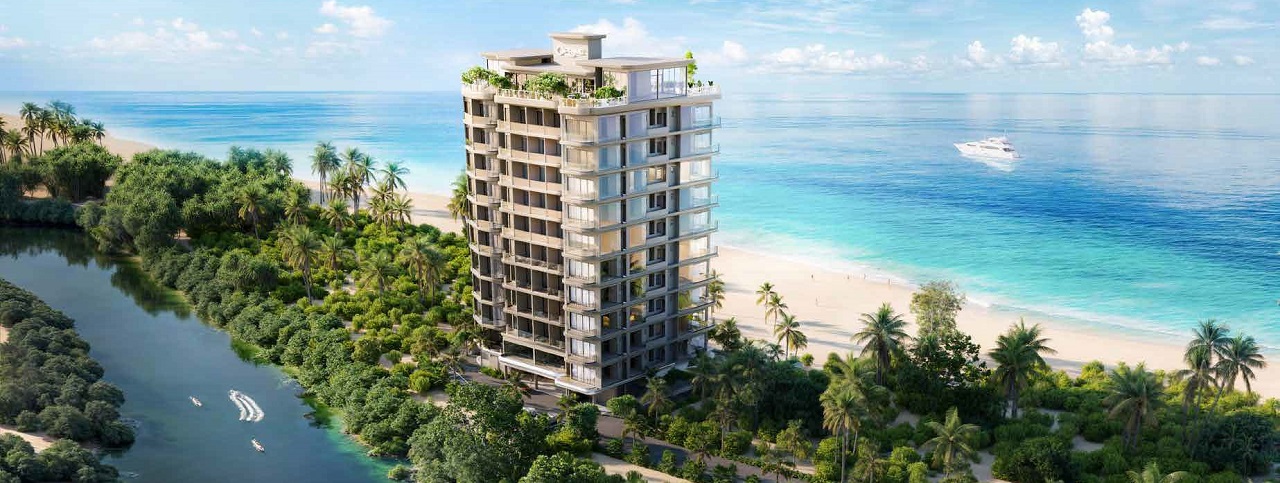
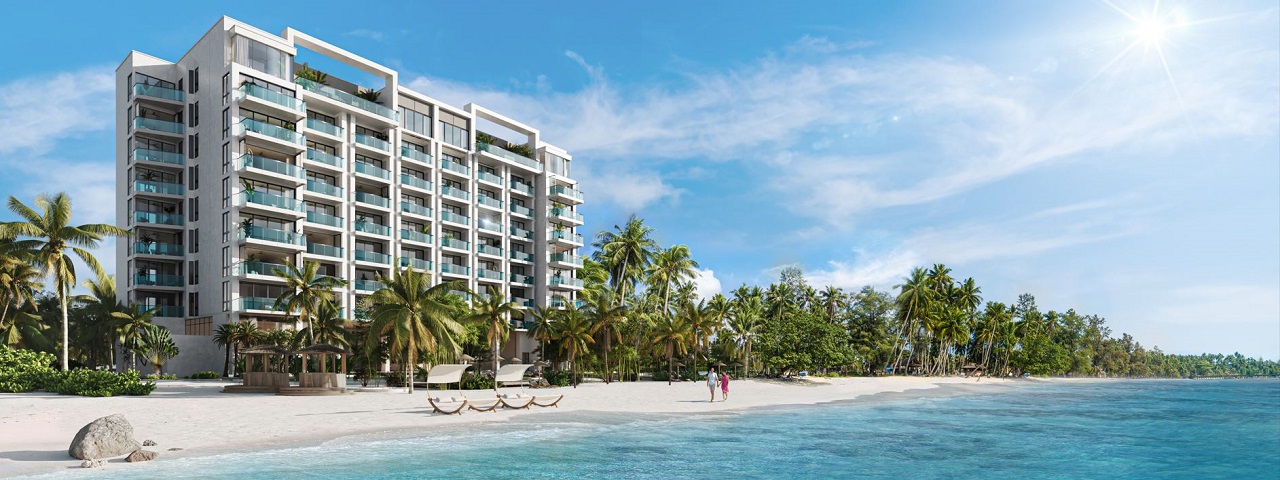
For many nomads, a one-year stay often turns into a long-term love affair with the island. This is where the Talpe Heights model becomes relevant. By staying on a Digital Nomad Visa, you can experience the island as a resident first, assessing the 8–11% rental yields and capital appreciation potential before committing to an investment.

With the operator All-Suite Resorts managing properties, nomads can eventually transition from “renters” to “owners,” securing a secondary income stream while they continue their global travels.

Final Verdict

If you are looking for a base that offers a lower cost of living, a tropical climate, and a legitimate legal framework to work remotely, Sri Lanka’s Digital Nomad Visa is a game-changer. It’s time to trade the gray skies for Indian Ocean sunsets.

Ready to apply? Ensure your paperwork is in order and prepare for a year of adventure.

What are the taxes and acquisition costs when buying property in Sri Lanka?

Here is a concise FAQ regarding taxes for non-resident property owners in Sri Lanka, based on the provided document.

Please note that Kristall Spaces Lanka (Pvt) Ltd does not provide tax or legal advice. All prospective buyers of Sri Lankan property must consult an accountant or lawyer currently practicing in Sri Lanka. Furthermore, tax and property law is subject to ongoing legislative change, and online information can rapidly become outdated.

Getting Started: Buying Property

What do I need as a foreigner to buy and manage a property? Foreigners can purchase condominium apartments and obtain a freehold title. You must open an Inward Investment Account (IIA) in Sri Lanka. This account is used to bring in funds for the purchase and to take out any rental profits or proceeds from a future sale.

What taxes are due when I buy an apartment? When purchasing a property, you will face several costs:

  • Stamp Duty: A one-time tax calculated as 3% on the first LKR 100,000 of the property’s value and 4% on the remaining value.
  • Value Added Tax (VAT): While not applicable on resale by an individual, all new apartment sales by a developer are subject to VAT at 18%.
  • Social Security Contribution Levy (SSCL): A 2.5% tax on the developer’s “liable turnover”. Developers typically pass this cost to the buyer, and it is often paid with each stage payment. This depends on your Sales and Purchase Agreement (SPA).
  • Legal Fees: These are not a tax but a cost. Market convention is typically 1% to 3% of the property’s declared value, but this is negotiable.

Taxes on Rental Income

Do I need to register for tax if I rent out my property? Yes. As a non-resident earning rental income in Sri Lanka, you must register with the Inland Revenue Department (IRD), obtain a Taxpayer Identification Number (TIN), and file an annual Income Tax Return.

What taxes apply to my rental income? There is a multi-stage tax process for your rental income:

  • Withholding Tax (WHT): The hotel operator who manages your apartment will deduct 14% WHT from the net rental income they pay to you. This is an advance payment toward your final income tax, not a final tax.
  • Income Tax: Your net rental income is subject to Sri Lanka’s progressive income tax rates. The 14% WHT already paid will be credited against your final calculated tax.
  • Remittance Tax: If you transfer your net profits (after income tax) out of Sri Lanka, those funds are subject to a final 14% Remittance Tax, which is usually deducted by the bank. This tax does not apply when you remit your initial capital investment.
  • Indirect Taxes (VAT & TDL): The hotel operator handles an 18% VAT and a 0.5%-1% Tourism Development Levy (TDL) on the gross revenue from tourists. You do not have a direct compliance duty for these, but they reduce the total revenue pool before your share is calculated.

How is my annual income tax liability calculated? The calculation follows these steps:

Start with Gross Assessable Rental Income: This is the total net income paid to you by the operator during the financial year (April 1st to March 31st).

Subtract Allowable Deductions: Your main deductions are:

  • Capital Allowances: You can deduct 5% per year of the building’s acquisition cost (on a straight-line basis) for 20 years.
  • Municipal Rates: The annual property taxes you pay are deductible.
  • Other Direct Expenses: Costs like Sri Lankan tax advisory fees may also be deductible.

Calculate Taxable Income: This is your Gross Assessable Income minus your total deductions.

Note: As a non-resident non-citizen, you are not eligible for the LKR 1,800,000 Personal Relief. Your income is taxed from the first Rupee.

Apply Progressive Tax Rates (for Y/A 2025/2026):

First LKR 1,000,000 @ 6%
Next LKR 500,000 @ 18%
Next LKR 500,000 @ 24%
Next LKR 500,000 @ 30%
On the balance @ 36%

Final Reconciliation: Subtract the 14% WHT credit (from step 1) from your calculated tax bill to determine if you owe additional tax or are due a refund.

What are my annual compliance obligations? Your primary duties are to file an annual income tax return by the deadline (typically November 30th) and pay any balance tax due. You must also declare this income in your home country. Sri Lanka has the primary right to tax income from property located there. Your home country will typically provide a Foreign Tax Credit (FTC) to prevent double taxation.

Selling or Gifting the Property

What taxes apply if I sell my property?

  • Capital Gains Tax (CGT): If you sell for a profit, the gain is subject to CGT. For an individual, the rate is 10% on the gain (calculated as Selling Price minus Acquisition Cost). An announced increase to 15% has no set implementation date.
  • VAT on Sale: VAT does not apply when an individual resells a residential property.

What about gifting or inheriting the property? Sri Lanka does not currently have a specific gift or inheritance tax, although such taxes have been proposed. A stamp duty is applicable on the value of a gifted property.

Other Considerations

Are there other ongoing liabilities I should know about? Yes, the main ones are:

  • Annual Municipal Rates: A direct property tax you are responsible for paying.
  • Remittance Tax: The 14% tax on any profits you send out of Sri Lanka.
  • Contractual Liability: Under the Hospitality Service Agreement, if your personal use of the apartment exceeds 90 days in a financial year, 50% of the liability for certain uninsured damages may shift to you.

Is this investment considered a “business”?  No. For tax purposes, this is classified as passive rental income from an investment in immovable property. While you must register for tax and file returns, it is not considered a commercial activity that requires a separate business license.

Please contact us today if you require further information.

Consent Preferences