Sri Lanka’s New Digital Nomad Visa

Sri Lanka’s New Digital Nomad Visa: Your Guide to Working from Paradise

For years, Sri Lanka has been a “bucket list” destination for travelers seeking golden beaches, ancient temples, and world-class surf. But for digital nomads, the challenge was always the logistics of short-term tourist visas and constant “border runs.” That has officially changed. With the launch of the Sri Lanka Digital Nomad Visa, the island is now one of the most attractive hubs in Asia for remote professionals.

Whether you’re a freelancer, a remote employee, or an online business owner, here is everything you need to know about making the “Pearl of the Indian Ocean” your next home office.


The Basics: What is the Digital Nomad Visa?

The Sri Lanka Digital Nomad Visa (DNV) is a residence visa designed specifically for foreign nationals who work for companies or clients based outside of Sri Lanka.

The Key Stats:

  • Validity: 1 year (renewable annually).

  • Cost: USD $500 for the main applicant (and $500 per dependent).

  • Processing Time: Approximately 2–4 weeks.

  • Income Requirement: Minimum USD $2,000 per month.

This visa grants you the legal right to live on the island while maintaining your international career. It bridges the gap between being a tourist and a resident, allowing you to open bank accounts, sign long-term leases, and even enroll children in international schools.


Who Qualifies?

The visa is open to anyone over 18 who can prove they earn their living from foreign sources. This includes:

  1. Remote Employees: Working for a company registered outside Sri Lanka.

  2. Freelancers: Serving an international client base.

  3. Business Owners: Running a company with no local registration or local trading.

Financial Thresholds:

To qualify, the main applicant must demonstrate a monthly income of at least $2,000. If you are bringing more than two dependents, you must show an additional $500 per month per extra dependent.


The Application Process: Step-by-Step

The Department of Immigration & Emigration has streamlined the process, but it requires thorough documentation.

  1. Gather Your Dossier: You’ll need a valid passport (6 months+), passport photos, and proof of income.

  2. Clearances: Uniquely, Sri Lanka requires a Medical Clearance Report and a Police Clearance Certificate from your home country (issued within the last three months).

  3. Insurance: You must hold international health insurance that covers you specifically in Sri Lanka for the duration of your stay.

  4. Submission: The application is submitted to the Residence Visa Division. Once approved, the visa is endorsed directly in your passport.


Why Choose Sri Lanka?

Beyond the legal ease, the lifestyle “ROI” in Sri Lanka is immense.

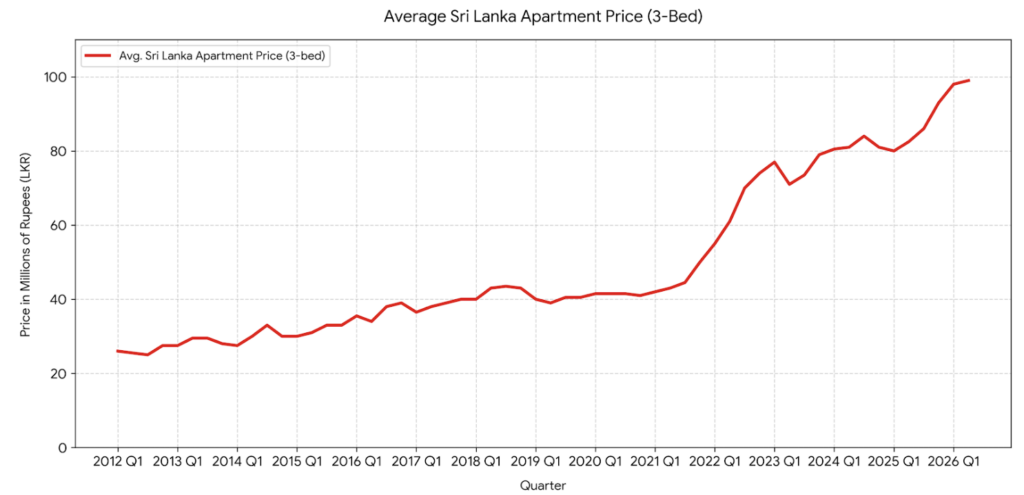
  • Cost of Living: While your income must be in USD, your expenses will be in Sri Lankan Rupees (LKR). With a monthly salary of $2,000, you can live a high-end lifestyle. A modern 1-bedroom apartment in Colombo costs roughly $300–$400, leaving plenty of room for exploring.

  • The Hubs: * Colombo: Best for those who need high-speed fiber internet, rooftop bars, and networking.

    • Galle/Talpe: Perfect for a “work-from-the-beach” vibe. The UNESCO-listed Galle Fort is a haven for boutique cafés and creative nomads.

    • Kandy: For those who prefer misty mountains and a cooler climate for deep-focus work.

  • Infrastructure: While the country has faced challenges, the digital infrastructure in nomad hubs is surprisingly resilient, with a growing number of co-working spaces and high-speed Wi-Fi becoming the standard in villas and apartments.


A Turnkey Investment Opportunity

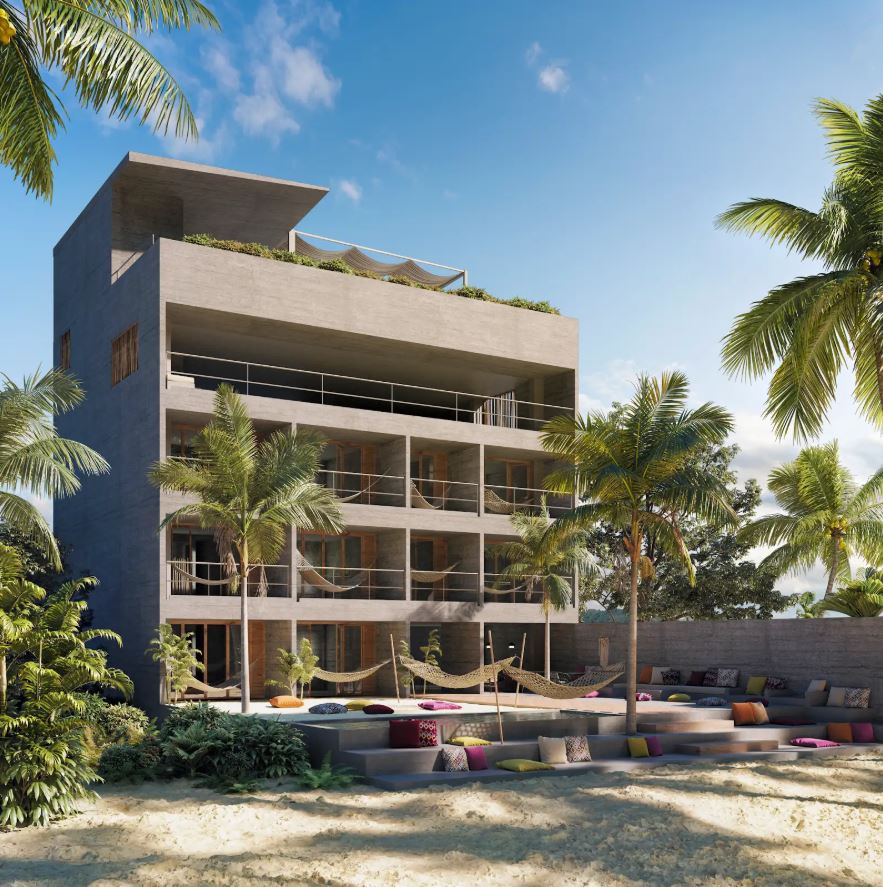
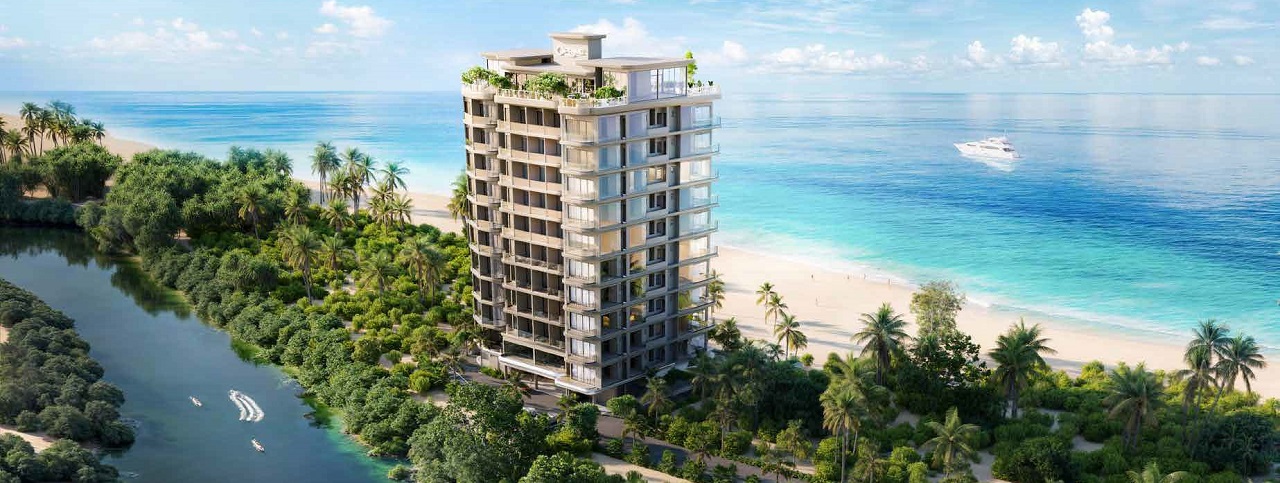
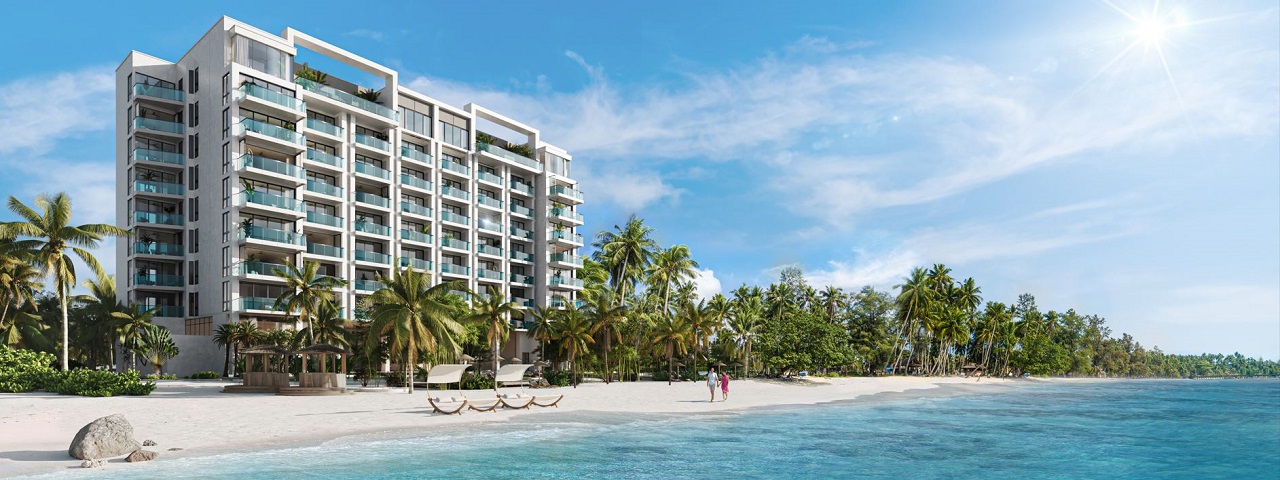
For many nomads, a one-year stay often turns into a long-term love affair with the island. This is where the Talpe Heights model becomes relevant. By staying on a Digital Nomad Visa, you can experience the island as a resident first, assessing the 8–11% rental yields and capital appreciation potential before committing to an investment.

With the operator All-Suite Resorts managing properties, nomads can eventually transition from “renters” to “owners,” securing a secondary income stream while they continue their global travels.

Final Verdict

If you are looking for a base that offers a lower cost of living, a tropical climate, and a legitimate legal framework to work remotely, Sri Lanka’s Digital Nomad Visa is a game-changer. It’s time to trade the gray skies for Indian Ocean sunsets.

Ready to apply? Ensure your paperwork is in order and prepare for a year of adventure.

Things to Do and See in South Sri Lanka All Year

Nestled along the glistening shores of the Indian Ocean, the South of Sri Lanka is a kaleidoscope of tropical charm, colonial heritage, untouched wilderness, and cultural depth. Whether you’re visiting in the sunny dry season (December to April) or during the quieter monsoon months (May to November), this region offers unforgettable experiences for every traveler.

From turquoise beaches and ancient temples to lush tea plantations and vibrant coastal towns, here’s your ultimate guide to the best things to do and see in South Sri Lanka—all year round.

Relax on the Pristine Beaches of  Dalawella and Mirissa

South Sri Lanka is synonymous with postcard-perfect beaches. Two of the most famous are Dalawella Beach and Mirissa, both offering soft sands, warm waters, and unforgettable sunsets.

  • Mirissa is the more laid-back of the two. It’s perfect for travelers who want a mix of relaxation and adventure. You can lounge under a palm tree with a coconut in hand, try surfing in the beginner-friendly waves, or go whale watching (from November to April, but some tours run year-round).
  • Dalawella Beach, often called “the Golden Mile,” is a highly popular and unmissable jewel on Sri Lanka’s southwest coast. Its popularity stems from its striking natural beauty, featuring golden sands and iconic palm trees gracefully arching over the shore. Beyond its picturesque scenery, the beach is renowned for its thriving turtle population, offering visitors a unique opportunity to swim with these magnificent creatures (without touching them).  The beach also boasts the globally recognized Frog Rock and a famous palm tree swing, which have captured the imagination of countless travelers and frequently appear on social media. For relaxation, one section of the beach has a protective reef, creating a calm lagoon perfect for safe year-round swimming, while another quieter section is ideal for simply unwinding. Its blend of wildlife, natural allure, and relaxed atmosphere makes Dalawella Beach a celebrated oceanfront destination.

Explore Galle Fort: A Walk Through Colonial History

A UNESCO World Heritage Site, Galle Fort is a must-visit, rain or shine. Originally built by the Portuguese in the 16th century and later fortified by the Dutch, Galle Fort is a living museum of colonial architecture, cobbled streets, and oceanfront ramparts.

Stroll through narrow alleyways lined with boutique cafes, art galleries, antique shops, and Dutch-era mansions. The Galle Lighthouse is one of the most iconic spots for photographs, while the Fort’s walls offer uninterrupted views of the Indian Ocean.

Even during the rainy season, Galle Fort’s charm is unshaken, with cozy bookshops and coffee corners providing the perfect refuge.

Go on a Safari in Yala or Udawalawe National Park

Think Sri Lanka is just beaches? Think again. The South is home to some of the country’s best wildlife safaris.

  • Yala National Park, located in the southeastern corner, is the most famous. It’s the best place in Sri Lanka to spot leopards, along with elephants, sloth bears, crocodiles, and over 200 bird species. The park remains open most of the year, though some blocks may close during the rainy months (usually September).
  • Udawalawe National Park, a little further inland, is known for its large elephant population and is open year-round. It’s also less crowded than Yala, offering a more tranquil experience.

These parks are best explored in the early morning or late afternoon with a guided jeep tour.

Hike to Diyaluma Falls or Visit Ravana Falls

The southern region offers more than beaches—its lush interior is perfect for waterfall chasers.

  • Diyaluma Falls, Sri Lanka’s second-highest waterfall (220 meters), is located near Ella and is a popular spot for both hikers and swimmers. The hike to the top takes about 1.5 hours and leads to natural infinity pools with stunning views over the valley.
  • Ravana Falls, also near Ella, is smaller but more accessible, right off the main road. Linked to the legend of King Ravana from the Ramayana epic, it’s steeped in folklore and natural beauty.

Both are great to visit all year, though the water volume is higher during the monsoon.

Take a Scenic Train Ride from Ella to the South Coast

The train ride from Ella to the southern towns like Matara or Weligama is one of the most breathtaking in Asia. You’ll pass through tea plantations, mountain tunnels, and lush jungles, descending slowly from the highlands to the coast.

Even in the rainy season, this journey is atmospheric—imagine mist rolling over tea fields and waterfalls cascading down the hills. Buy a second-class reserved seat and enjoy the slow-paced rhythm of rural Sri Lanka.

Make a stop at Haputale or Wellawaya for more off-the-beaten-path experiences.

Taste the Local Cuisine: From Seafood to Hoppers

Southern Sri Lanka is a culinary treasure trove. Whether you’re eating at a beach shack or a boutique hotel, expect bold flavors and fragrant spices.

Must-try dishes include:

  • Fish ambul thiyal (a sour fish curry native to the south)
  • Kottu roti (a stir-fry of chopped roti bread, vegetables, and meat or eggs)
  • Pol sambol (coconut relish)
  • Sri Lankan hoppers (bowl-shaped rice flour pancakes)
  • Watalappam (a spiced coconut custard dessert)

For the freshest seafood, head to Tangalle or Matara, where the catch of the day often goes straight from boat to grill.

Take a Traditional Fishing or Catamaran Tour

In Weligama or Ahangama, try your hand at stilt fishing, a method unique to Sri Lanka’s south coast, or hop on a traditional catamaran and sail through calm coastal waters.

You can also take lagoon tours through mangrove forests, especially around Koggala Lake, where you can visit cinnamon island plantations and Buddhist temples nestled among the trees.

These experiences are authentic, immersive, and suitable for most of the year (with some weather-dependent limitations during peak monsoon days).

Practice Yoga or Surf in Talpe/Dalawella Beach, Arugam Bay (Seasonal) or Weligama

The South has evolved into a wellness and surf destination, with travelers flocking to Weligama and Hiriketiya Bay for surfing lessons, smoothie bowls, and beachfront yoga.

  • Talpe, particularly around Dalawella Beach, offers a fantastic surfing experience year-round. Dalawella itself has a small surf break, and its protective reef creates a lagoon with safe swimming and good conditions for catching waves. For more dedicated surfers, the region is a “warm-water heaven”. Nearby, Dewata provides a sandy bottom, while Koggala, just 10 minutes away, offers a beach break. Kabalana Beach, a short tuk-tuk ride away, is famous for its “A-frame” wave and is one of the best all-level surf spots in the South. Further options like Ahangama and Midigama’s “Lazy Left” cater to various skill levels, ensuring long rides and a forgiving reef environment.
  • Though Arugam Bay is technically on the East Coast, it’s often included in south-coastal itineraries and is best visited between April and October.
  • Weligama is ideal for beginners, with mellow waves and countless surf schools.

Visit Temples and Ancient Sites: Kataragama and Mulkirigala Rock Temple

For a dose of spiritual and cultural exploration, don’t miss:

  • Kataragama, one of Sri Lanka’s holiest cities, where Buddhists, Hindus, and Muslims come together for daily rituals. The Kataragama Festival in July/August is a spectacle of devotion.
  • Mulkirigala Rock Temple, near Tangalle, is a less-crowded alternative to Sigiriya. Climb the rock for incredible views and visit ancient cave temples dating back over 2,000 years.

These places offer year-round insights into Sri Lanka’s rich spiritual traditions.

Stay in Eco Lodges or Boutique Villas Surrounded by Nature

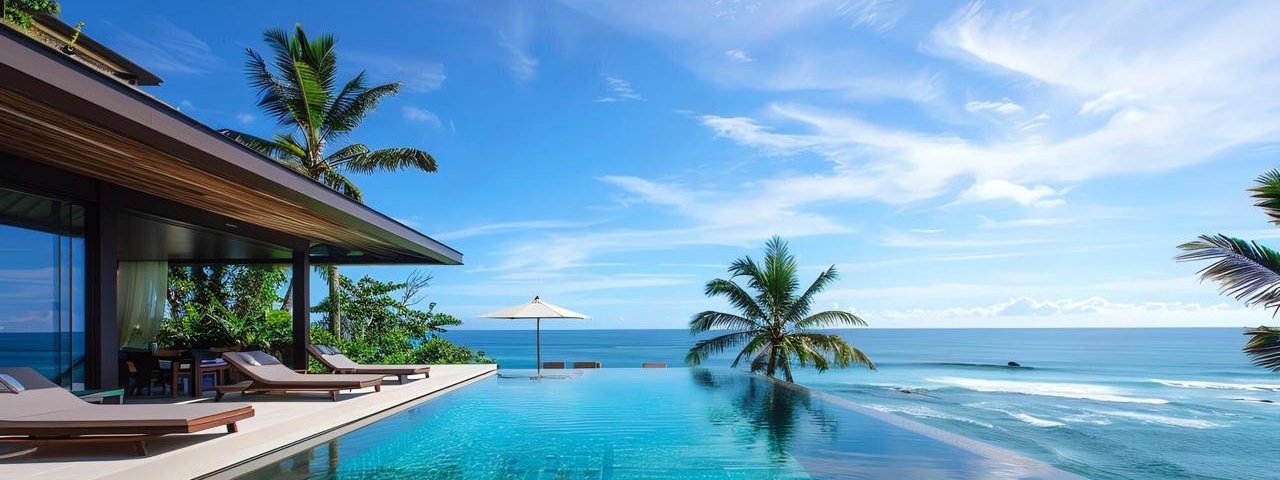
Accommodation in the South ranges from luxury beachfront villas to eco-conscious jungle retreats. Year-round, you can find stunning places to stay that immerse you in nature without sacrificing comfort.

Whether you’re looking for a wellness retreat in a cinnamon plantation, a treehouse in the rainforest, or a stylish villa by the sea, South Sri Lanka has it all.

Final Thoughts: When Is the Best Time to Visit?

While the dry season (December to April) is traditionally considered the best time to visit South Sri Lanka, the region is truly a year-round destination. Monsoon rains typically come in short bursts and are manageable with a bit of flexibility. Traveling in the off-season also means fewer crowds, lower prices, and lush green landscapes.

So pack your bags, embrace the island rhythm, and get ready to uncover the treasures of Sri Lanka’s south coast—every month of the year.

Villas for sale in Matara

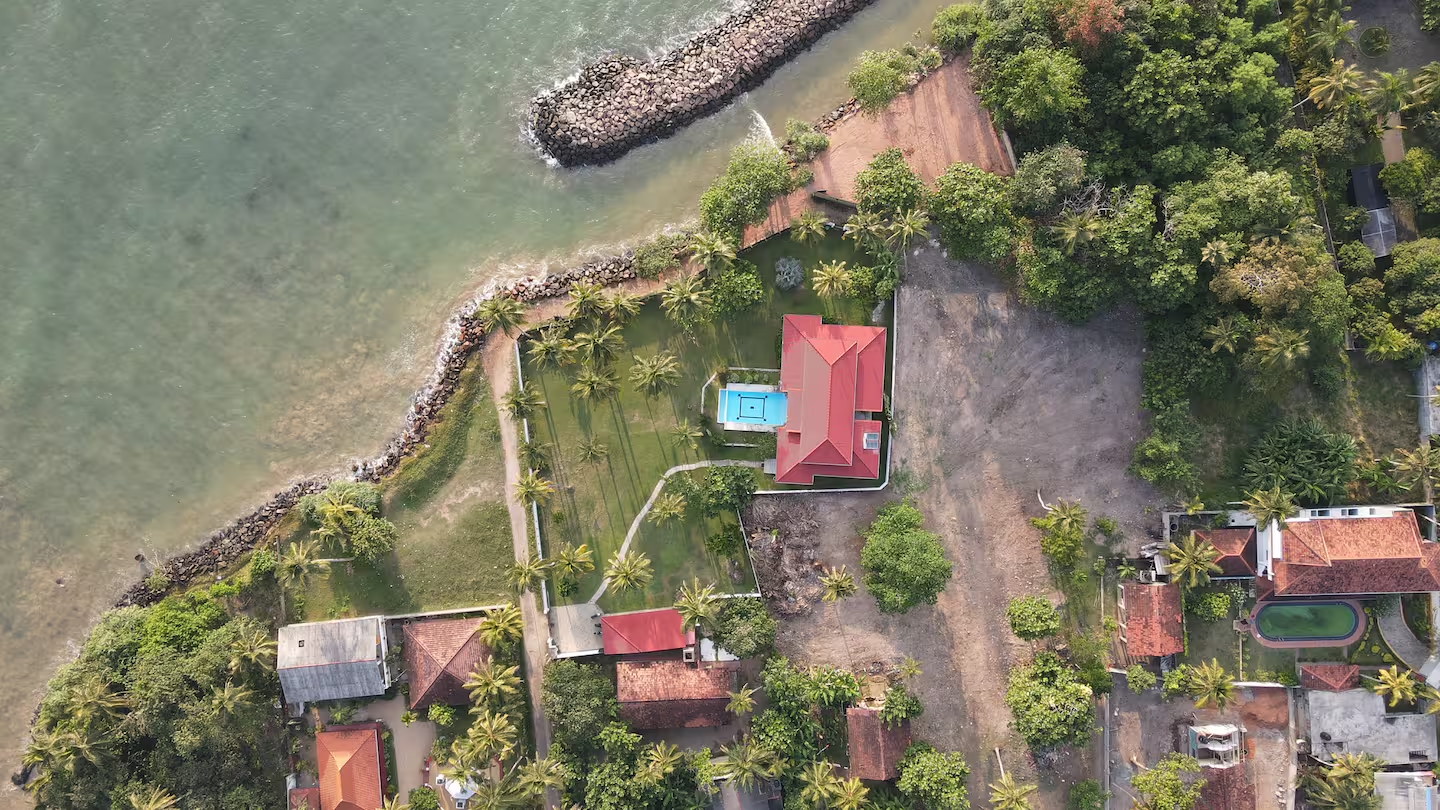
Kirstall Spaces will soon be marketing 2 villas on the ocean front in the Matara area.

Both villas are perfectly located with clear ocean views.  Please walk-around video below.


Please register your interest today for these villa opportunities via branson.atterbury@kristall-spaces.com or via WhatsApp +94776232924 (LK) or +447715636568 (UK).

Consent Preferences