Capturing 54% of Tourist Itineraries: Why Galle is the Ultimate Destination for Your Next Holiday Home Investment
Sri Lanka’s southern coast has evolved into the primary engine of the nation’s tourism expansion, which recently crossed 1.5 million annual international arrivals and is targeting 2.5 million. At the center of this growth lies Galle, a market offering property investors an ideal balance of strong rental performance and luxury holiday enjoyment. Owning a managed rental apartment at All-Suite Resort Talpe Heights puts you in a prime position to capitalize on this boom.
The Hard Numbers: Why Investors Are Turning to Galle
Data from the Sri Lanka Tourism Development Authority (SLTDA) survey covering over 11,000 departing foreign travelers reveals a clear structural shift toward southern coastal destinations:
- #1 Tourist Attraction: Galle Fort claims the top spot in Sri Lanka, captured in 54.0% of all foreign traveler itineraries. It has officially displaced traditional urban and cultural anchors such as Kandy (51.3%) and Colombo (46.2%).
- Highest Visitor Retention: Galle Fort recorded 772 repeat visitors—the highest count of any surveyed landmark in the country—surpassing Kandy (604) and Sigiriya (539).
- 41% Longer Stays: Southern coastal beach hubs hold travelers 41% longer than inland cultural or urban sites, averaging 2.43 days per stay compared to 1.72 days at cultural sites.
- Unbeatable Regional Demand: Four of the country’s top ten tourist destinations—Mirissa (34.4%), Hikkaduwa (18.9%), Unawatuna (17.1%), and Bentota (16.2%)—sit within a 60-kilometer radius of Galle.
- High-Demand Activity Profile: Beach and sea pursuits rank as the single most popular tourist activity at 67%, followed by wildlife safaris at 47% and general sightseeing at 32%.
The Coastal Charm of “The Last Honest Fort”
Beyond spreadsheet metrics, Galle offers an experiential charm that draws steady international visitors. Known as “the last honest fort,” Galle Fort is a living 17th-century UNESCO World Heritage site featuring 14 historic ramparts. Located roughly two hours from Colombo’s international airport via the Southern Expressway, visitors can watch international Test match cricket at Galle International Stadium before taking an evening stroll along the ancient ramparts to watch the sunset over the Indian Ocean.
The surrounding streets feature boutique cafes along Pedlar Street, historic trading houses serving arrack cocktails, and authentic local spots offering regional curries. This mix of heritage, beach lifestyle, and dining keeps occupancy strong throughout the year.
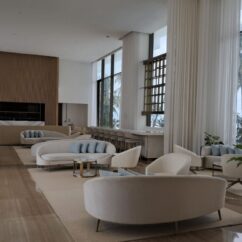
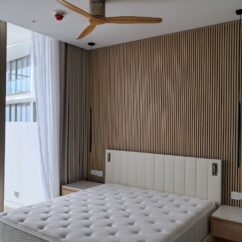
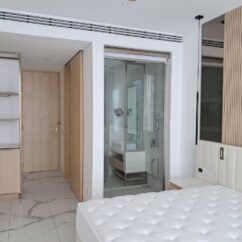
All-Suite Resort Talpe Heights: Your Dual-Benefit Asset
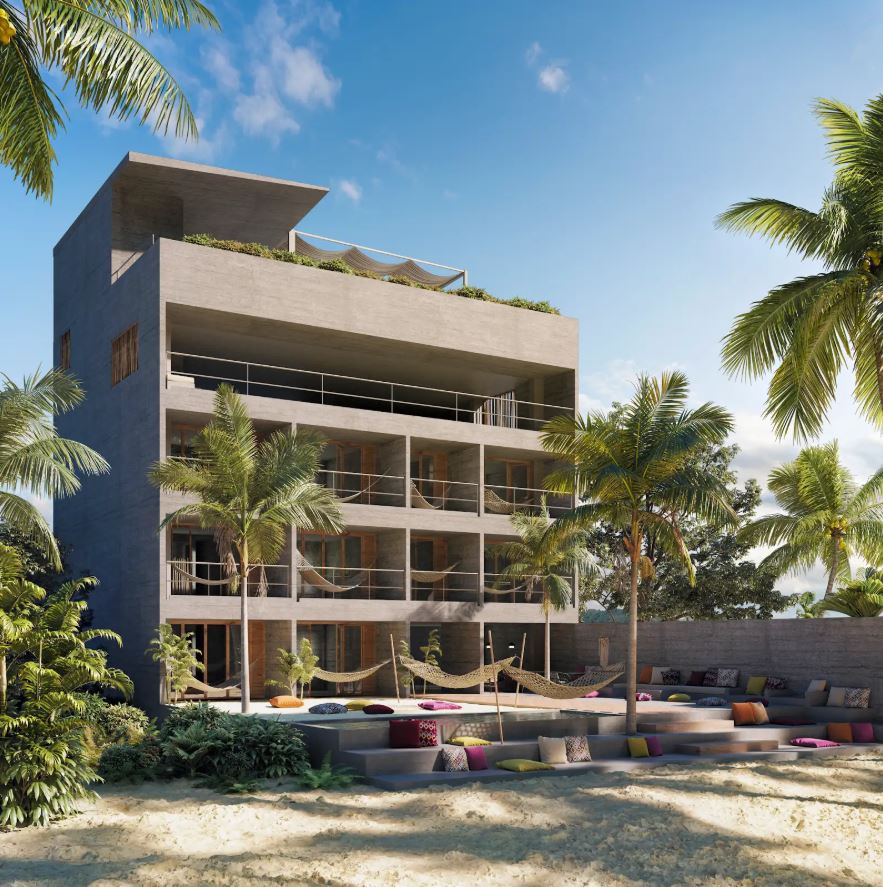
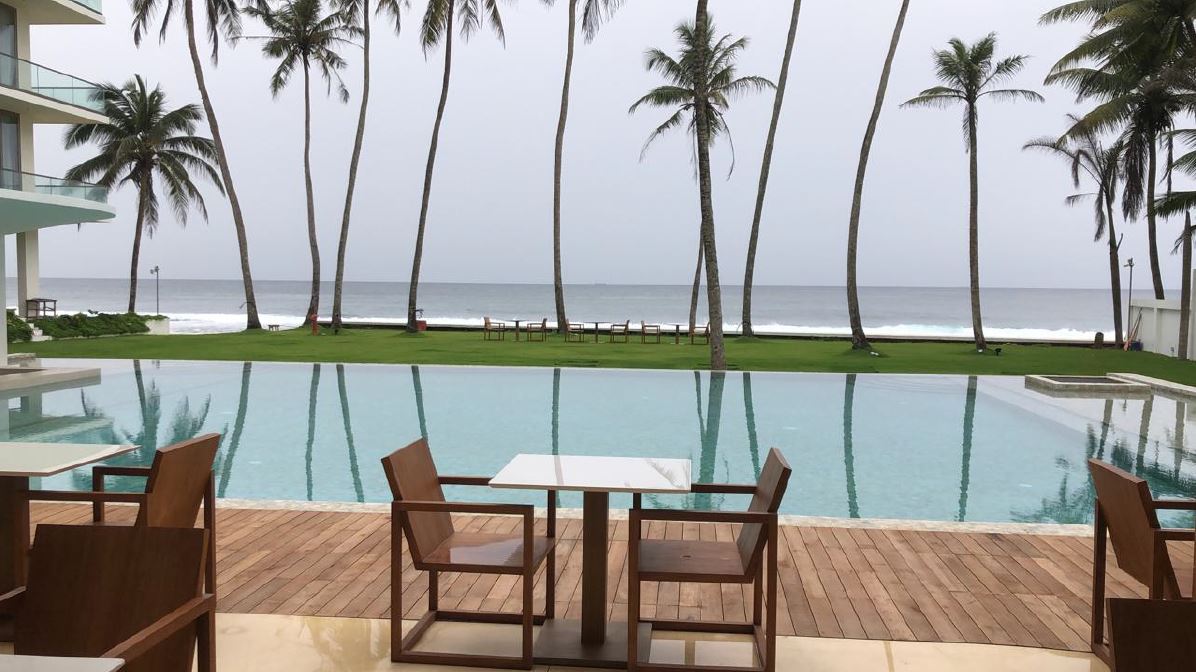
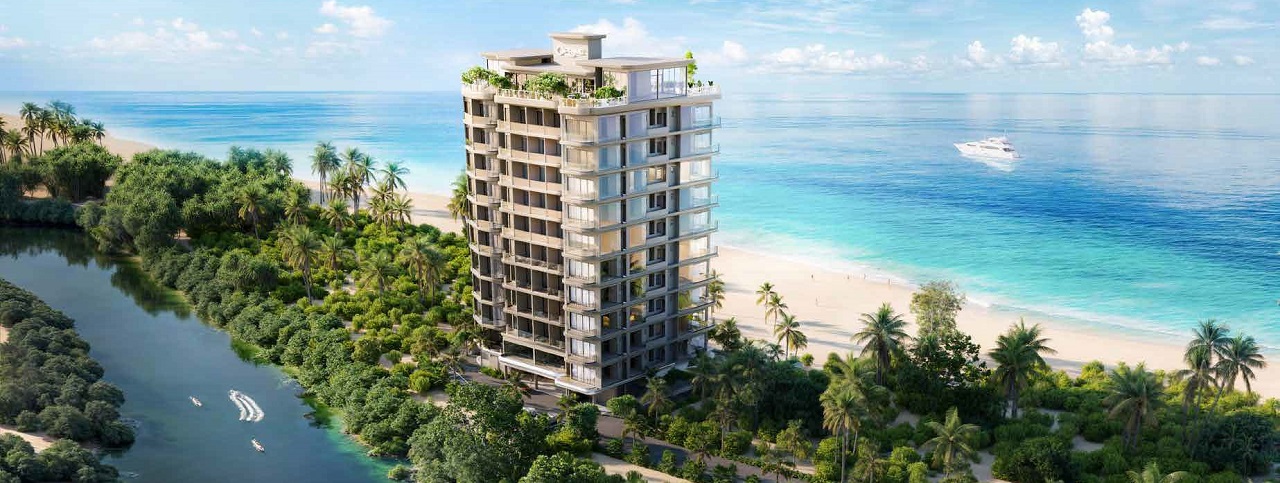
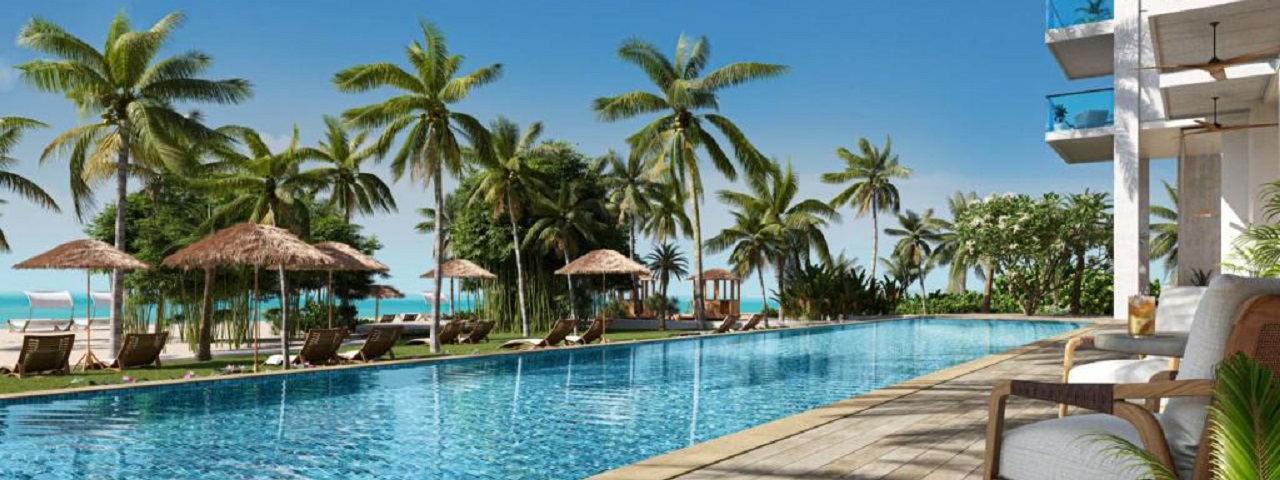
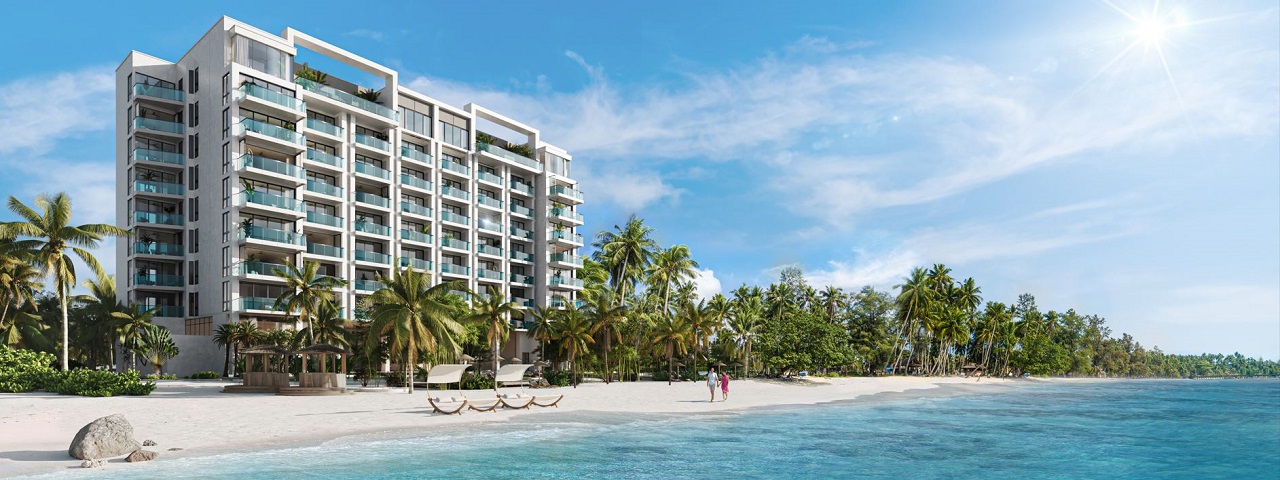
Situated along the southern beach strip just minutes from Galle Fort, All-Suite Resort Talpe Heights connects real estate investment with personal lifestyle benefits.
Hands-Free Passive Rental Income
With tourists extending multi-day itineraries along the southern coast, a suite at Talpe Heights captures demand from high-spending foreign visitors. Because it operates as a fully managed resort, the development removes the operational burden of short-term rentals. Professional on-site management directs marketing, bookings, housekeeping, and maintenance—allowing owners to earn yields from Galle’s high tourist traffic with zero daily effort.
A Private Holiday Retreat
When you want to travel, your apartment serves as your personal holiday home. Fly in for a coastal break, surf nearby beach breaks, or explore the dining scene inside the Fort.
An investment in All-Suite Resort Talpe Heights delivers passive returns backed by Sri Lanka’s most visited tourism destination, alongside a private tropical retreat whenever you choose to visit.