
Sri Lanka: new Investor Visa for property buyers

This new initiative for buyers outside Sri Lanka interested in buying condominium units (holiday apartments) started on 1 June 2024.

The Investor Visa program ensures a simplified and efficient procedure for non-Sri Lankans looking to invest in the country’s fast-growing real estate market allowing visa applications to be handled entirely online, making it easier for potential investors.

A notable feature of the new process is that foreigners staying in Sri Lanka will no longer have to exit the country to apply for a visa.

This notable improvement is expected to draw in additional investors to support Sri Lanka’s economic progress and flourishing construction and property development industry.

Applicants must provide:

1. Confirmation from a bank regarding the deposit of foreign currency into an IIA account.

2. A statement from the investor specifying the purpose of the investment, whether to purchase a unit or units from a condominium development project in the country.

For investments exceeding USD 100,000, applicants will receive an immediate 5-year visa, which can be renewed.

Investments over USD 200,000 will be eligible for a 10-year renewable visa, both necessitating a maximum of five days for ministerial approval.

By opening its doors wider to international investors, Sri Lanka is not only improving its economic prospects but also laying the foundation for sustainable growth in its property development sector.

In addition to the direct and obvious benefits mentioned earlier, foreign investments in real estate have been proven to generate multiple streams of both short and long-term inflows.

The nature of investing in Real Estate is characterized by long-term commitments and substantial investments, which in turn contribute to the country’s overall development.

Galle plans for tourism hub

The Ministry of Ports, Shipping, and Aviation announced on Thursday its ambitious plans to transform the Port of Galle into a bustling tourist destination.

Minister Nimal Siripala de Silva is spearheading the proposal, which aims to enhance the port’s infrastructure and address environmental and wildlife conservation concerns.

The proposed construction includes the establishment of two backwaters, one measuring 850m and the other 150m.

Additionally, the harbor basin will be dredged to a depth of 12.05m, and a new passenger terminal will be built.

During the meeting, it was recommended that the Wildlife Department submit an Environmental Impact Assessment Report within a week to address environmental issues and support the development project at the Port of Galle.

Furthermore, Minister Pavithra Wanniarachchi instructed the Sri Lanka Ports Authority (SLPA) officials to solicit Requests of Interest from local and foreign investors interested in participating in the development initiative based on the aforementioned report.

The Ministry has stressed that SLPA will allocate a total of USD 200 million for the development project at the Port of Galle.

Record Indian tourist arrivals

Record Indian Tourist Arrivals: What it Means for Sri Lankan Real Estate

Sri Lanka is currently witnessing a historic surge in tourism, largely driven by a massive influx of visitors from India. With a 106% year-on-year increase in arrivals—averaging nearly 9,000 visitors daily—the island’s hospitality sector is hitting unprecedented milestones.

Why This Matters for Property Investors

For real estate investors, these numbers are more than just statistics; they represent a fundamental shift in market demand. A record-breaking tourism year directly correlates with:

  • Higher Occupancy Rates: Increased demand for luxury short-term rentals and boutique villas.

  • Infrastructure Growth: To accommodate the 50 million Indians traveling overseas annually, the Sri Lankan government is fast-tracking new hotels and MICE (Meetings, Incentives, Conferences, and Exhibitions) venues.

  • Capital Appreciation: As air connectivity expands—with SriLankan Airlines now operating 95 weekly flights to India—locations like Colombo, Galle, and Tangalle are becoming even more accessible and valuable.

The Strategic Push for Growth

Sri Lanka Tourism recently launched a global campaign in Mumbai to tap into the Indian market, which already accounts for over 20% of total visitors. High-profile delegates, including Tourism Minister Harin Fernando, have highlighted several key initiatives designed to sustain this momentum:

  • The Ramayana Trail: A cultural and mythological tourism project designed to strengthen bilateral ties and attract heritage-focused travelers.

  • MICE Tourism Expansion: Thisum Jayasuriya (Chairman of the Sri Lanka Convention Bureau) has announced plans for new venues and hotels specifically aimed at the lucrative corporate events sector.

  • Education & Connectivity: From scholarships for Indian students to increased flight frequencies from nine major Indian cities, the bridge between the two nations is stronger than ever.

Investment Outlook

At Kristall Spaces, we see this surge as a “green light” for the buy-to-let market. As the country moves toward its goal of attracting 10% of India’s outbound travelers, the need for high-quality, managed apartments and coastal villas will continue to outpace supply.

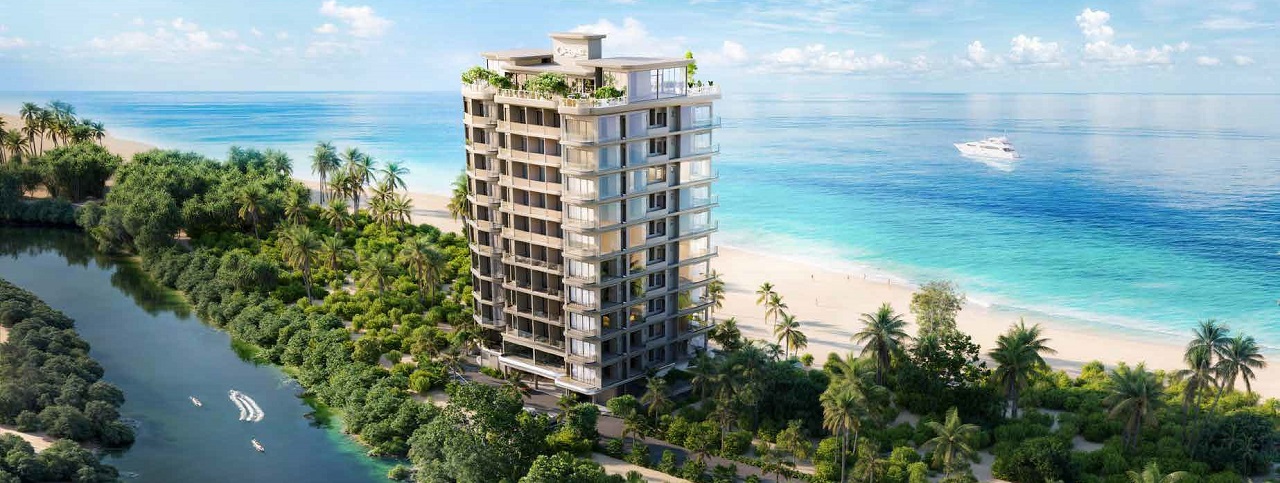
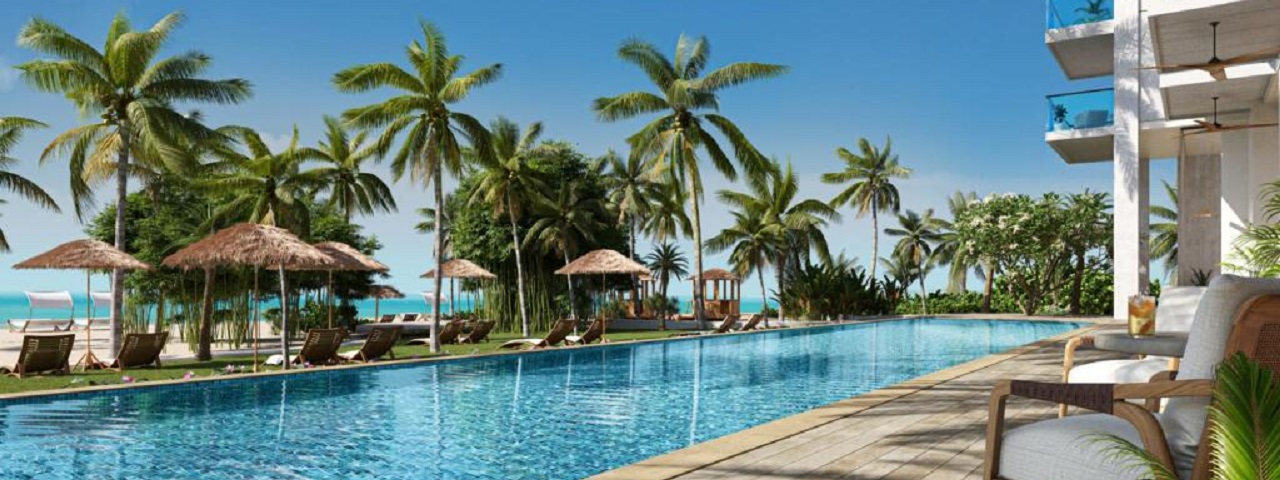
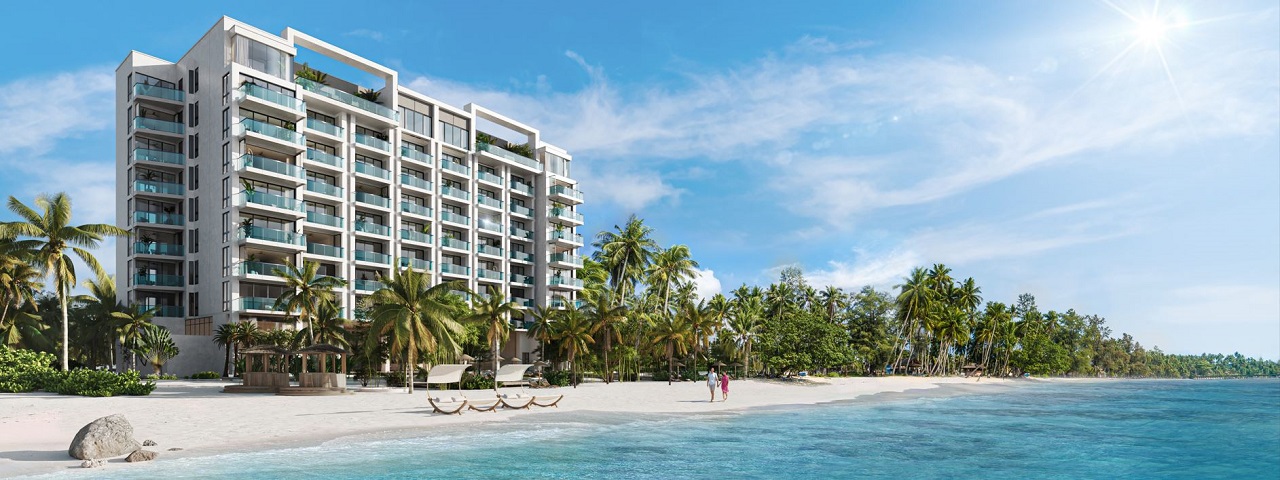
Whether you are looking at a beachfront development in Galle (Talpe Heights) or a luxury apartment in Kandy, the current tourism trajectory suggests that now is a strategic time to secure a foothold in the Sri Lankan property market.

Plan to attract 2.5 million tourists in 2024

While on a tour of tourist destinations along Sri Lanka’s south coast, President Ranil Wickremesinghe engaged with local business owners, foreign visitors, and domestic tourists to gather feedback on the government’s initiatives to revitalize the tourism industry and attract high-spending travelers.

Through these conversations in Galle, Unawatuna, Tangalle, and other locations, the President assessed firsthand how infrastructure upgrades and innovative promotion campaigns have impacted tourism operations.

He also solicited ideas from stakeholders on further enhancing facilities and marketing strategies to build on the sector’s post-pandemic recovery momentum.

By actively listening to perspectives from across the tourism landscape, President Wickremesinghe aimed to shape policies that will help Sri Lanka surpass its pre-Covid visitor numbers and realize the goal of attracting 2.5 million tourists annually by 2024.

Source article  https://colombogazette.com/2024/02/17/president-holds-talks-with-tourists-in-galle-and-unawatuna/

Sri Lanka property is on the move

Sri Lanka, Asia’s oldest democracy, is undertaking major infrastructure projects that are improving connectivity and reshaping the skylines of its major cities.

Once a key port on the ancient Silk Road owing to its strategic location off India’s coast, the teardrop island nation is focused on reestablishing itself as a vital player on the modern maritime route connecting Asia, Africa, Europe and beyond.

Tourism is rapidly increasing as a result.

The former British colony, known as Ceylon until it became a republic and changed its name to Sri Lanka in 1972, gained independence in 1948.

Today, the per capita incomes of the island nation’s 21 million residents rank among the highest in South Asia.

Steeped in ancient Buddhist and Hindu culture, Sri Lanka packs diverse attractions into a small space, including eight UNESCO World Heritage Sites, more than a dozen national parks, virgin rainforests, and lush tea gardens.

Trekkers are rewarded with exotic birds, rare orchids, and temple ruins while navigating sacred mountains.

Underwater divers can explore coral gardens and old shipwrecks, while beaches offer experiences for sunbathers, snorkelers and surfers.

High-end real estate in Colombo and surrounding areas is fueled by growing international demand, with additional luxury projects in the pipeline.

Galle, a two-hour drive southwest of Colombo, is a popular coastal vacation home spot for foreign investors.

Originally built by the Portuguese and later fortified by the Dutch in the late 16th century, Galle still has some surviving Dutch-era buildings.

Sri Lankan architecture reflects Buddhist, Indian, East Asian and Western influences.

Architect Geoffrey Bawa spearheaded the Tropical Modernism movement starting in the 1960s, adapting the minimalist International Style to the tropical climate.

His work included private residences as well as universities, religious buildings and the Sri Lankan Parliament.

Your dream home in Galle

Galle’s complex history as a trading port makes it a must-see destination in Sri Lanka.  Founded by the Portuguese in the 16th century, this fortified city on the southwest coast later fell under Dutch rule and saw expansion.

With the British takeover and rivalry between European powers like the French, English, Danish, Spanish, and Portuguese in the 17th century, Galle changed hands frequently.  This diverse past created a fascinating architectural blend of styles and influences, making the city an ideal place to soak in Sri Lanka’s rich cultural legacy.

The UNESCO World Heritage Site of Galle’s Old Town and fort offers delightful exploration on foot.  Strolling along the fort’s thick ramparts provides unobstructed ocean and harbor views, glimpses of the old prison, the Galle Lighthouse on the fort’s southeastern tip, and the 18th-century Dutch Reformed Church.

Galle offers a relaxed atmosphere perfect for strolling and soaking in the sights.  Dozens of charming restaurants, cozy cafes, and shady spots provide places to dine and drink.  Poonie’s Kitchen, tucked in a traditional Dutch-style courtyard house, is a peaceful haven with Western fare made from Sri Lanka’s freshest ingredients.  Fortaleza Restaurant, located in a boutique hotel on Church Cross Street, is another gem.  With a lovely veranda and bar overlooking a central courtyard, the restaurant features original walls over 200 years old. Fortaleza is known for delicious fresh seafood and signature table barbecues.

We also suggest visiting the fort in the late afternoon with a third-generation resident as your guide. Brimming with local history and anecdotes that breathe life into this historic place, they can help you discover what it’s truly like to live within these ancient walls. Your guide can even lead you to a wonderful hidden art-and-crafts shop tucked away in this storied locale.

In this workshop, you will learn about the history and cultural significance of mask making in Sri Lanka before creating your own mask using traditional, sustainable materials like recycled paper, treacle, cinnamon, clay, broken tiles, beeswax, and cow dung.

Beyond Galle’s famous fort, the surrounding countryside offers many enticing activities. Visitors can explore the region’s scenic landscape of rice paddies, villages, spice plantations – especially cinnamon – and low-altitude tea estates. To fully experience the area, travelers can venture off the beaten path by boat or bicycle, gaining an intimate glimpse into rural life.

The historic Galle International Stadium is a must-see destination for cricket fans.  Originally built as a racecourse by British colonials, this picturesque ground overlooking the ocean has hosted many memorable cricket matches since 1998.

The beaches near Galle feature palm-lined shores and turquoise waters perfect for relaxation. We visited Wijaya Beach, where we relaxed with fresh coconuts in the tranquil setting. For visitors interested in surfing, private lessons can be arranged. The coast offers abundant seafood, including prawns, mahi-mahi, seer, tuna, and cuttlefish. Outside the city walls, locals barter for the freshest catch at seaside fish stalls.

Contact us today to find out how you can invest in your dream holiday apartment in Galle.