Galle plans for tourism hub

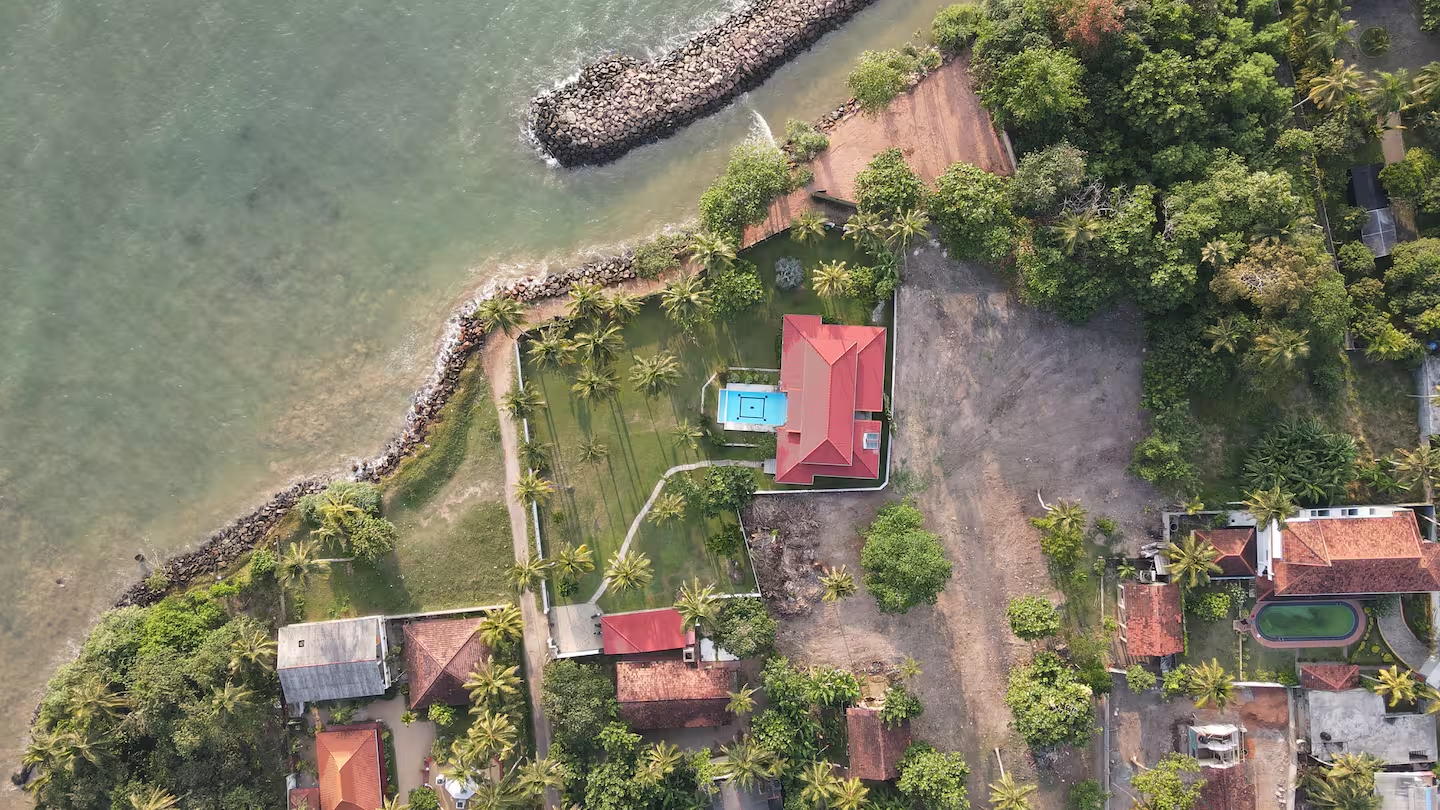
The Ministry of Ports, Shipping, and Aviation announced on Thursday its ambitious plans to transform the Port of Galle into a bustling tourist destination.

Minister Nimal Siripala de Silva is spearheading the proposal, which aims to enhance the port’s infrastructure and address environmental and wildlife conservation concerns.

The proposed construction includes the establishment of two backwaters, one measuring 850m and the other 150m.

Additionally, the harbor basin will be dredged to a depth of 12.05m, and a new passenger terminal will be built.

During the meeting, it was recommended that the Wildlife Department submit an Environmental Impact Assessment Report within a week to address environmental issues and support the development project at the Port of Galle.

Furthermore, Minister Pavithra Wanniarachchi instructed the Sri Lanka Ports Authority (SLPA) officials to solicit Requests of Interest from local and foreign investors interested in participating in the development initiative based on the aforementioned report.

The Ministry has stressed that SLPA will allocate a total of USD 200 million for the development project at the Port of Galle.

Half a million tourist arrivals in 3 months

Sri Lanka passed 500,000 tourist arrivals in just the third month of 2024, with over 100,000 tourists coming in March alone confirming hat the industry is making excellent headway towards strong growth.

Since the COVID pandemic began, this is the first time the island nation has reached over half a million visitors in just two and a half months – last year, Sri Lanka reached this milestone in the second week of May.

The provisional data released by the Sri Lanka Tourism Development Authority showed that for the first 14 days of March, Sri Lanka welcomed 91,205 international visitors.

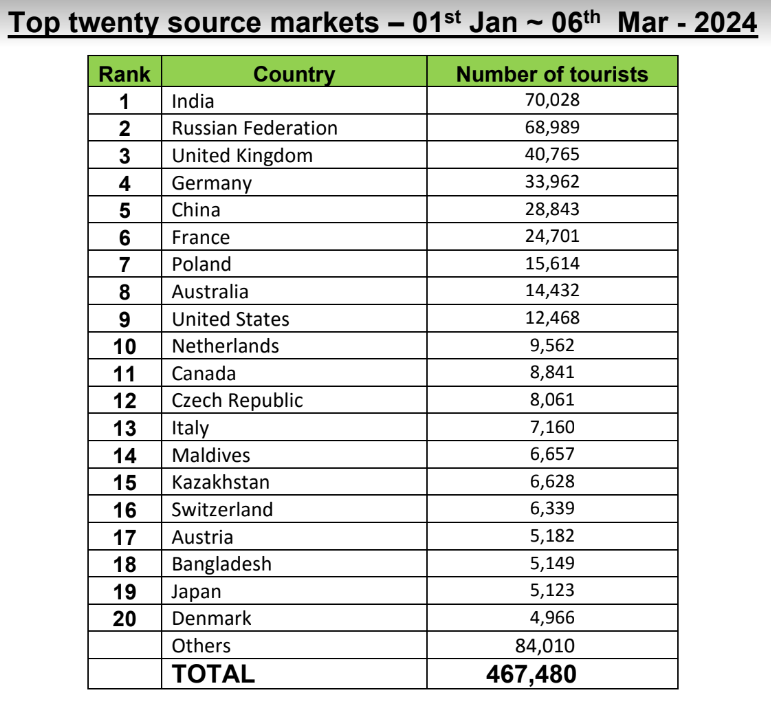
Sri Lanka Tourist Arrivals 6 March 2024

The cumulative number of tourist arrivals from January 1st to March 14th reached 517,808.

If the current level of tourist arrivals continues, Sri Lanka could reach 200,000 arrivals for the third month in a row – a first for the country since the start of the Covid pandemic.

The Russian Federation is the biggest contributor to tourism in March, with 15% of all tourist arrivals (13.699) and ranking second India accounted for around 15% too with 13,492 visitors.

Germany, the United Kingdom, France, and China are also significant source markets.

During the initial two months of the year, the tourism industry generated a total revenue of US $ 687.5 million and this represents a 118.2% increase year on year.

Tangalle’s attractions

Nestled on Sri Lanka’s southern coast, Tangalle is the perfect spot for relaxation … with beautiful seascapes, mangroves and coves, it offers an authentic island experience with ample opportunities to explore including these top attractions:

Scuba diving and snorkeling in Tangalle Bay allows you to discover sea creatures like lionfish, angel fish, octopus and lobster and you can even explore underwater caves, shipwrecks and coral tunnels.

Turtles: Rekawa Beach is a nesting ground for turtles like green, loggerhead and hawksbill and you join the Rekawa Turtle Watch conservation project from April to July to see turtles hatching. Reminder: patience is key for sightings.

Surfing enthusiasts flock to Hiriketiya Beach just 15 minutes from Tangalle: the horseshoe-shaped bay has surf gear shops for renting boards by the hour to catch waves or why not book a lesson.

Or rent a bike, scooter or tuk tuk to explore independently.  Tuk tuks can sometimes be expensive so make sure you compare fares whilst renting your own transport allows flexibility and keeps costs down.

Swim at Goyambokka Beach, whose reef shelters its serene bays.  It also boasts expansive white sands for lounging under the sun.

Visit Mulkirigala Raja Maha Vihara, an ancient Buddhist temple atop a 205-metre rock.  Its seven caves contain large Buddha statues and intricate wall paintings.

Marvel at the Hummanaya Blowhole which is the world’s second largest and during monsoon season the water can shoot up to 82 feet high.

Birdwatching at Bundala National Park to spot flamingos and other migratory species. It’s just a 40-minute drive from Tangalle.

Tourism: another record month in February

Sri Lanka’s tourism industry saw record growth in February 2024, with 218,350 tourist arrivals that month and this marks the third straight month surpassing 200,000 visitors, according to the the Minister of Tourism, Harin Fernando.

This February figure signifies over a 100% increase from February 2023 when only 107,639 tourists arrived.

It is also the highest monthly total since January 2020 pre-pandemic when 228,434 visitors came.

“We’ve had an amazing start to 2024, with the second consecutive month above 200,000 arrivals – the highest ever totals since I took office,” Harin Fernando said.

In just the first two months of 2024, Sri Lanka welcomed 426,603 tourists, already 28% of 2023’s full-year total.

Fernando also estimated tourism income has surpassed $710 million so far in 2024.

Source article https://www.newswire.lk/2024/03/02/sri-lanka-tourism-february-tourist-arrival-numbers-released/

Sri Lanka economy growing by 1.6% and inflation falling

The Sri Lankan economy expanded 1.6 percent in the third quarter of 2023 compared to a year earlier, marking the first growth in a year and a half.

Inflation has moderated notably, and other economic indicators for manufacturing and services point to a broadening recovery.

Sri Lanka’s key inflation rate fell to 5.9% in February from 6.4% in January, the statistics department said on Thursday.

Economic growth is forecasted to accelerate over the coming year.

Source article https://www.eurasiareview.com/02032024-sri-lankas-economic-reform-program-is-starting-to-work-keep-at-it-for-a-full-recovery-oped/

Record Indian tourist arrivals

To significantly boost tourist arrivals from India, Sri Lanka Tourism has launched an ambitious global campaign in Mumbai.

The strategic initiative featured the participation of high-profile delegates, including Sri Lanka’s Tourism Minister.

Currently, over 20% of tourists in Sri Lanka are Indian, so the campaign aims to attract 10% of the 50 million Indians who travel overseas every year.

Sri Lanka hopes to entice tourists with its rich cultural heritage, stunning natural landscapes, and the renowned hospitality of its people, as highlighted by Dr. Velson Vethody, the Sri Lankan Consul General in Mumbai.

Additionally, Sri Lanka seeks to expand its tourism portfolio by promoting meetings, incentives, conferences, and exhibitions (MICE) tourism, recognizing the sector’s huge potential.

Underscoring this goal, Thisum Jayasuriya, Chairman of the Sri Lanka Convention Bureau, showcased prospective MICE venues across the country while announcing plans to develop new sites and hotels for the anticipated tourist influx.

In a novel move to attract more Indian visitors, Sri Lanka is developing a Ramayana Trail that honors the two countries’ shared cultural and mythological bonds. Along with the Sri Lanka Institute of Information Technology extending scholarships to Indian students, this initiative demonstrates a multifaceted approach to strengthening bilateral ties through tourism and education.

The surge in Sri Lankan tourism is evident from the unprecedented 106% year-on-year increase in arrivals, with around 9,000 daily visitors. SriLankan Airlines, operating 95 flights connecting nine Indian cities to Sri Lanka, including two daily Mumbai-Colombo flights, plays a pivotal role by strengthening air connectivity.

Expressing gratitude for India’s steadfast support, Tourism Minister Harin Fernando emphasized the two countries’ long-standing relationship. While aiming to boost tourist numbers, the campaign also seeks to enhance cultural exchange and economic ties, underscoring Sri Lanka’s commitment to becoming a top destination for Indian travelers seeking enriching experiences.

Source article  https://www.travelandtourworld.com/news/article/sri-lanka-tourism-sees-record-indian-tourists-arrivals/

Plan to attract 2.5 million tourists in 2024

While on a tour of tourist destinations along Sri Lanka’s south coast, President Ranil Wickremesinghe engaged with local business owners, foreign visitors, and domestic tourists to gather feedback on the government’s initiatives to revitalize the tourism industry and attract high-spending travelers.

Through these conversations in Galle, Unawatuna, Tangalle, and other locations, the President assessed firsthand how infrastructure upgrades and innovative promotion campaigns have impacted tourism operations.

He also solicited ideas from stakeholders on further enhancing facilities and marketing strategies to build on the sector’s post-pandemic recovery momentum.

By actively listening to perspectives from across the tourism landscape, President Wickremesinghe aimed to shape policies that will help Sri Lanka surpass its pre-Covid visitor numbers and realize the goal of attracting 2.5 million tourists annually by 2024.

Source article  https://colombogazette.com/2024/02/17/president-holds-talks-with-tourists-in-galle-and-unawatuna/

Sri Lanka property is on the move

Sri Lanka, Asia’s oldest democracy, is undertaking major infrastructure projects that are improving connectivity and reshaping the skylines of its major cities.

Once a key port on the ancient Silk Road owing to its strategic location off India’s coast, the teardrop island nation is focused on reestablishing itself as a vital player on the modern maritime route connecting Asia, Africa, Europe and beyond.

Tourism is rapidly increasing as a result.

The former British colony, known as Ceylon until it became a republic and changed its name to Sri Lanka in 1972, gained independence in 1948.

Today, the per capita incomes of the island nation’s 21 million residents rank among the highest in South Asia.

Steeped in ancient Buddhist and Hindu culture, Sri Lanka packs diverse attractions into a small space, including eight UNESCO World Heritage Sites, more than a dozen national parks, virgin rainforests, and lush tea gardens.

Trekkers are rewarded with exotic birds, rare orchids, and temple ruins while navigating sacred mountains.

Underwater divers can explore coral gardens and old shipwrecks, while beaches offer experiences for sunbathers, snorkelers and surfers.

High-end real estate in Colombo and surrounding areas is fueled by growing international demand, with additional luxury projects in the pipeline.

Galle, a two-hour drive southwest of Colombo, is a popular coastal vacation home spot for foreign investors.

Originally built by the Portuguese and later fortified by the Dutch in the late 16th century, Galle still has some surviving Dutch-era buildings.

Sri Lankan architecture reflects Buddhist, Indian, East Asian and Western influences.

Architect Geoffrey Bawa spearheaded the Tropical Modernism movement starting in the 1960s, adapting the minimalist International Style to the tropical climate.

His work included private residences as well as universities, religious buildings and the Sri Lankan Parliament.

Expat buying rules in Sri Lanka

With the recent changes in the law welcoming expat Sri Lankans to purchase property in the country, LankaPropertyWeb interviewed Attorney at Law Saminda Jayasekara regarding the feasibility of this option and the barriers to overcome in the process.

As a local, there are no restrictions on purchasing property in the country. Whether it is owning a land, apartment or investing in a commercial property, you have the liberty to select among a range of options available in the market.

However, as a foreigner, there are certain restrictions. While the option of purchasing a residential or commercial condominium property is available, with lands they can only be leased out for a period of 99 years.

But what about an expat?

“The main consideration when purchasing property is whether you are a citizen of Sri Lanka or not. If you are a citizen, then you can purchase properties as you wish, otherwise there are some restrictions,” said Attorney at Law S. Jayasekara.

The reason for this is that if the expat in concern has given up citizenship in Sri Lanka completely, then he or she is considered as a foreigner or a non-citizen according to the law. Under this situation, the laws that are applicable to the individual also vary.

The Land (Restrictions On Alienation) Act No. 38 of 2014 prohibits the transfer of the title of any land in Sri Lanka to a foreigner, to a company incorporated in Sri Lanka under the Companies Act (foreign shareholding in such company, either direct or indirect, is 50% or above) or to a foreign company.

However, at the same time, there are exceptions as well.

In terms of the Apartment Ownership Law, a previous report published by LankaPropertyWeb defining investing in Sri Lanka highlighted that in the past foreigners had to face floor restrictions with purchasing condominiums. But as of 2018, this law has been revised opening doors for them to buy any apartment on any floor and invest in the country in top developments. However, the only condition is that the foreigner has to pay for the consideration in full before the title transfer and that consideration must come from abroad via an Inward Investment Account.

The Inward Investment Account (IIA) is a special account designated for eligible investors, resident in or outside Sri Lanka to route funds to invest in the permitted investments. It can be opened in LKR or a foreign currency or held jointly by eligible investors.

On the other hand, if a foreigner becomes the owner of a land through a deed of gift or devolves under a last will or without a last will, under the succession law in Sri Lanka the restrictions mentioned previously will also become null and void.

These exceptions are applicable to dual citizens as well, with the logic that they are still Sri Lankans while holding a nationality in another country.

When making a purchase for a property, payments should go through this account. Upon signing the deed of transfer and handing over the possession of the property, you will be able to claim ownership for the development.

“You can open up an IIA in Sri Lanka while you are in your country, and for that you can contact your realtor or the developer. But if you are living outside of the country, you can appoint an agent with a special power of attorney mentioning ‘only for the purchase of a property’,” said Saminda.

The power of attorney is a legal document giving one person, the agent or attorney-in-fact the power to act for another person, the principal. This document has to be registered in the relevant land registry of Sri Lanka and can be used in the process of purchasing any property.

The reason for this is that according to the local laws the purchase of a property in the country should be done in the presence of a licensed notary public and two or more witnesses present at the same time.

As an expat, a Sri Lankan lawyer should be contacted to draft a foreign power of attorney. The documents should then be signed before the Sri Lankan ambassador or a lawyer in that country. Once he couriers the duly signed document, the lawyer in Sri Lanka could file it in the relevant land registry to complete the process.

To formally cancel this appointment the expat or his lawyer in Sri Lanka has to submit the Original Power of Attorney, Affidavit supplied by the expat, copy of the advertisement published in the government gazette in Sinhala, Tamil and English languages to the land registry where the Power of Attorney is registered. Once it’s published in the Gazette, it will amount to a revocation of the authority.

The purchase of property in Sri Lanka as an expat is a great way of investing, especially given the fact that the nation is seeing continuous development in different areas. The stability of the real estate market despite the pandemic is also further evidence to this. Therefore, capitalizing on this opportunity earlier on and investing in property is seen as a prospective income source, even in the future.

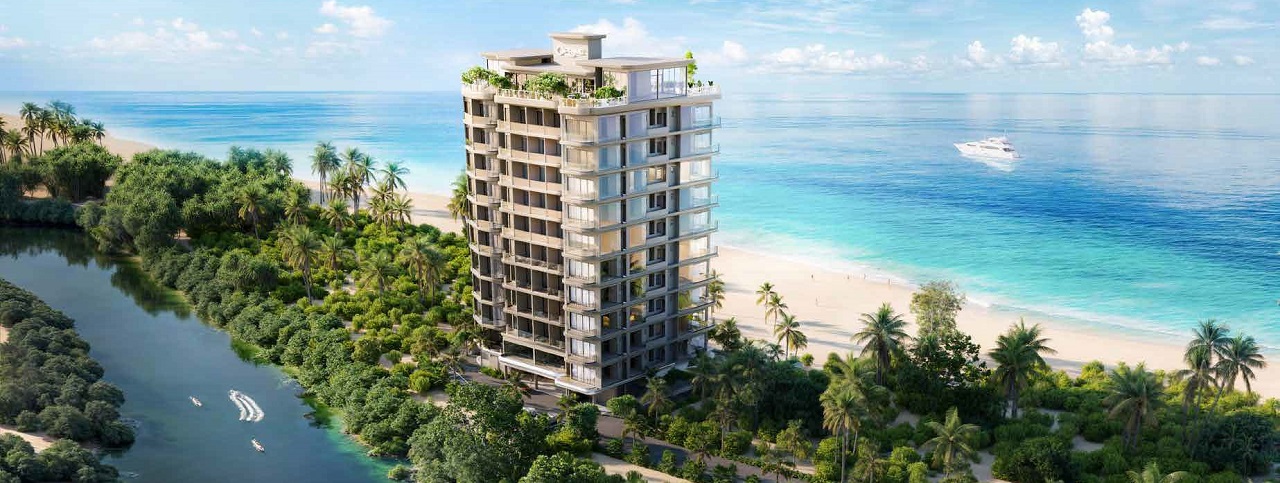
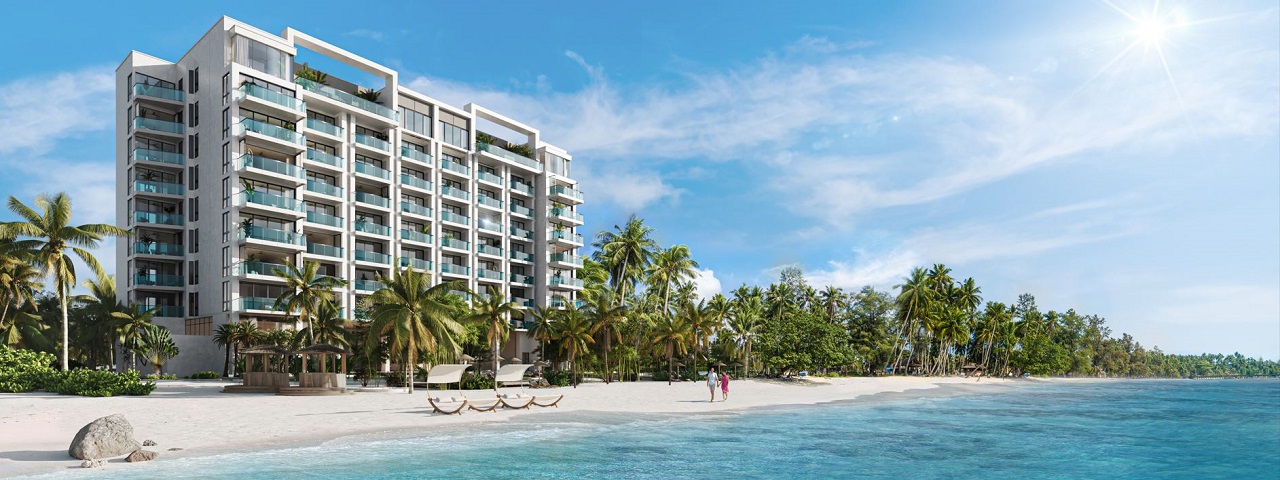
Weligama: modern beachfront living

Weligama on Sri Lanka’s southern coast is emerging as the country’s trendiest destination for tourists seeking a glamorous beach getaway and second home buyers looking for a wise investment which can be rented out when they are not enjoying it themselves.

With its influx of boutique hotels, restaurants and spas in recent years, Weligama aspires to become Sri Lanka’s version of Miami’s iconic South Beach.

The local authorities have invested heavily in restoring older buildings and landscaping roadsides to transform the once-sleepy fishing village into a chic coastal retreat.

Tourism has boomed, with visitor numbers doubling since 2010 to over 100,000 in 2020.

Catering largely to young, affluent travelers, Weligama offers a quieter, more exotic alternative to South Beach for those looking to soak up Sri Lanka’s sun, sand and famous surf.

Weligama beach stretches just one kilometre along Sri Lanka’s southern coast and located a 2-hour drive from Colombo airport, it is renowned for its excellent swimming and surfing conditions, making it one of the best spots in the country to learn how to surf.  In addition to water sports, yoga is also very popular in Weligama.

The main beachfront strip is home to trendy boutiques, restaurants and a lively local market and more than 200 hotels have opened here in the past 5 years to accommodate the growing numbers of tourists, locals and weekend visitors from Colombo.

While most lodging options are boutique hotels, larger resorts can also be found, like the beachfront Weligama Bay Marriott Resort and Spa and the luxurious Cape Weligama set on a cliffside overlooking the bay.

Weligama has seen a surge in foreign investment and development: since 2016, beachfront land values have increased 84% as developers build luxury villas, apartments and hotels targeting overseas buyers.

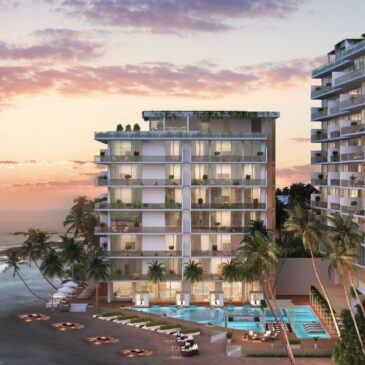
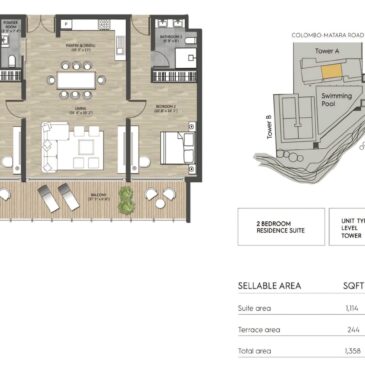
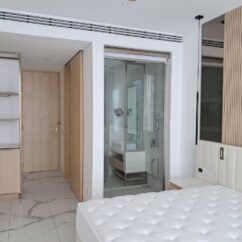
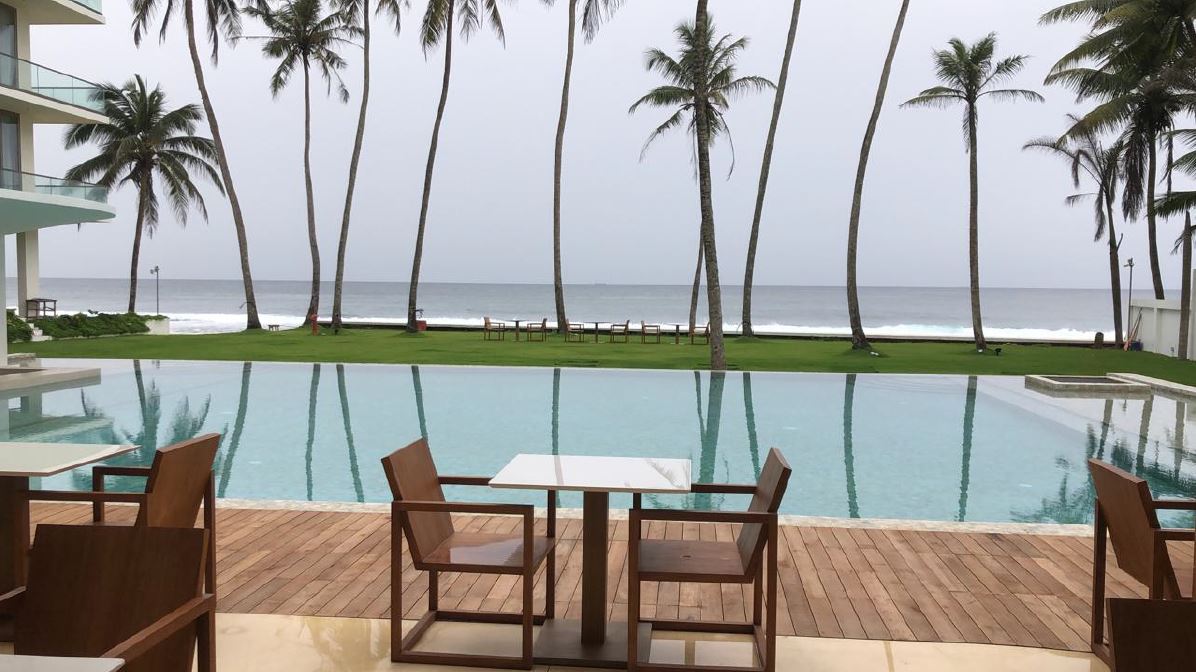
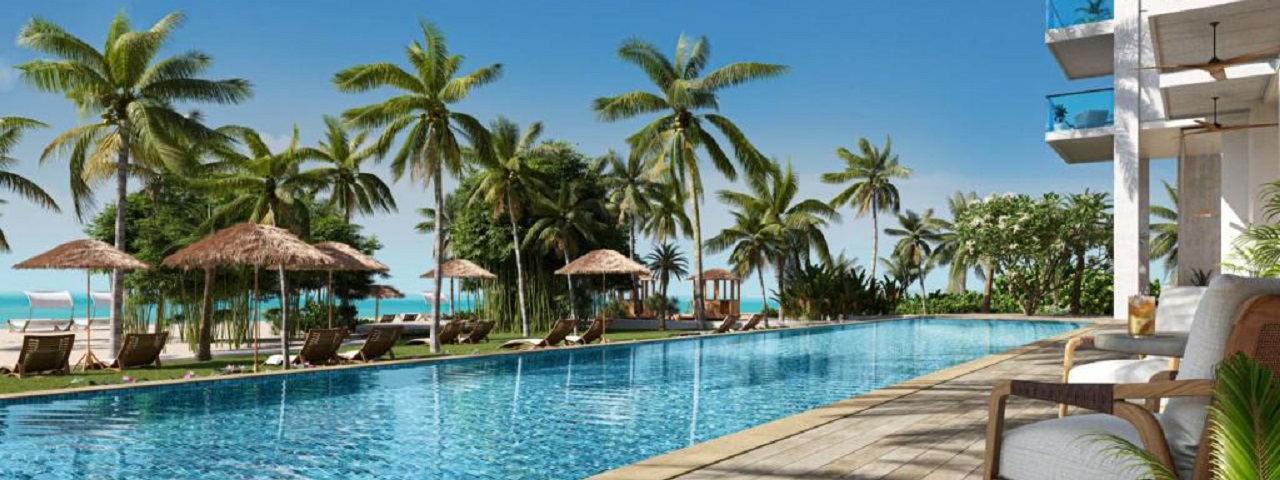
The South Beach Weligama complex, a 106-unit project by famed architects Balmond Studio launching in 2024 will have five-star amenities like a restaurant, bar, pool, gym, and more.

Property prices remain affordable compared to other beach markets, with South Beach units starting around $175,378.

Beyond relaxing on the sand, visitors can experience Weligama’s lively Full Moon parties, which draw 100,000 revelers monthly.

Sri Lanka offers stunning natural scenery, including the dramatic 4,000-foot cliff at World’s End in Horton Plains National Park – this scenic overlook provides an unforgettable experience and spectacular photo opportunities.

Hiring a knowledgeable local guide or driver allows you to fully explore this beautiful region whilst helicopter tours from Weligama provide a bird’s-eye view for adventurous travelers.

Although not commonly associated with Sri Lanka, blue whale watching occurs off Mirissa from December to March and off Trincomalee from March to July.

Sperm whales and spinner dolphins can also be regularly spotted in Sri Lankan waters.

And Sri Lanka’s endangered elephants are also a top wildlife attraction: ethical elephant safaris allow visitors to responsibly view these majestic creatures in locations like Udawalawe National Park, home to around 600 elephants.

Finally, the country’s renowned tea plantations, like the Handunugoda estate, draw many visitors to this low-country plantation which produces exclusive “virgin white tea” and provides a scenic overview of Sri Lanka’s iconic tea culture.

For apartment enquiries, contact Branson Atterbury, Marketing Director on branson.atterbury@kristall-spaces.com or +447715636568 via WhatsApp.

Consent Preferences